

If you’re considering dental sealants to protect your teeth, you’re likely wondering how they will affect your bite. It’s a common concern among new patients, especially those who are unfamiliar with the procedure. Dental sealants are thin, protective coatings that dentists apply to the chewing surfaces of your back teeth. Their purpose is to prevent cavities by acting as a barrier to food, bacteria, and plaque. While they are an effective preventative treatment, understanding what to expect is key to ensuring a comfortable experience.
The good news is that dental sealants are generally not designed to alter your bite noticeably. However, it’s essential to understand the process and what might happen during the first few days after the treatment. Sealants are applied directly to the surface of your teeth, and while they don’t change your bite’s alignment, you may notice a slight difference initially as your mouth adjusts to the coating. Let’s learn how dental sealants work and address common concerns new patients have about comfort and bite changes.
What Are Dental Sealants and How Do They Work?
Dental sealants are a preventive treatment used by dentists to protect your teeth from cavities. The process involves applying a special resin to the chewing surfaces of your back teeth (molars), where cavities are most likely to form. This resin hardens into a protective shield, preventing food particles and bacteria from entering your teeth’s grooves. The procedure is quick, painless, and can be done in a single visit to your dentist.
While dental sealants in Sterling Heights, Michigan, help prevent decay, they do not directly change the structure of your teeth or your bite. The sealants themselves are extremely thin and designed to fit into the natural grooves of your molars. They may feel slightly different in your mouth for a short period after the procedure, but this is a regular part of the adjustment process. Most patients report minimal discomfort, if any, and the change is temporary as you get used to the new texture.
Will Sealants Affect My Bite?
One of the most common questions about dental sealants is whether they will affect the bite. The good news is that sealants are designed to be thin and smooth, so they should not significantly alter how your teeth come together. The material used for dental sealants is generally quite soft and shaped to fit the natural contours of your teeth.
However, it’s important to note that in some cases, you may notice a slight change immediately after the sealants are applied. This is because the material may feel different when you bite down at first. Over time, this feeling usually fades as your mouth adjusts to the new surface. If you experience any discomfort or feel your bite is off, it’s essential to let your dentist know. They can make small adjustments to ensure the sealants fit comfortably.
Are Dental Sealants Comfortable?
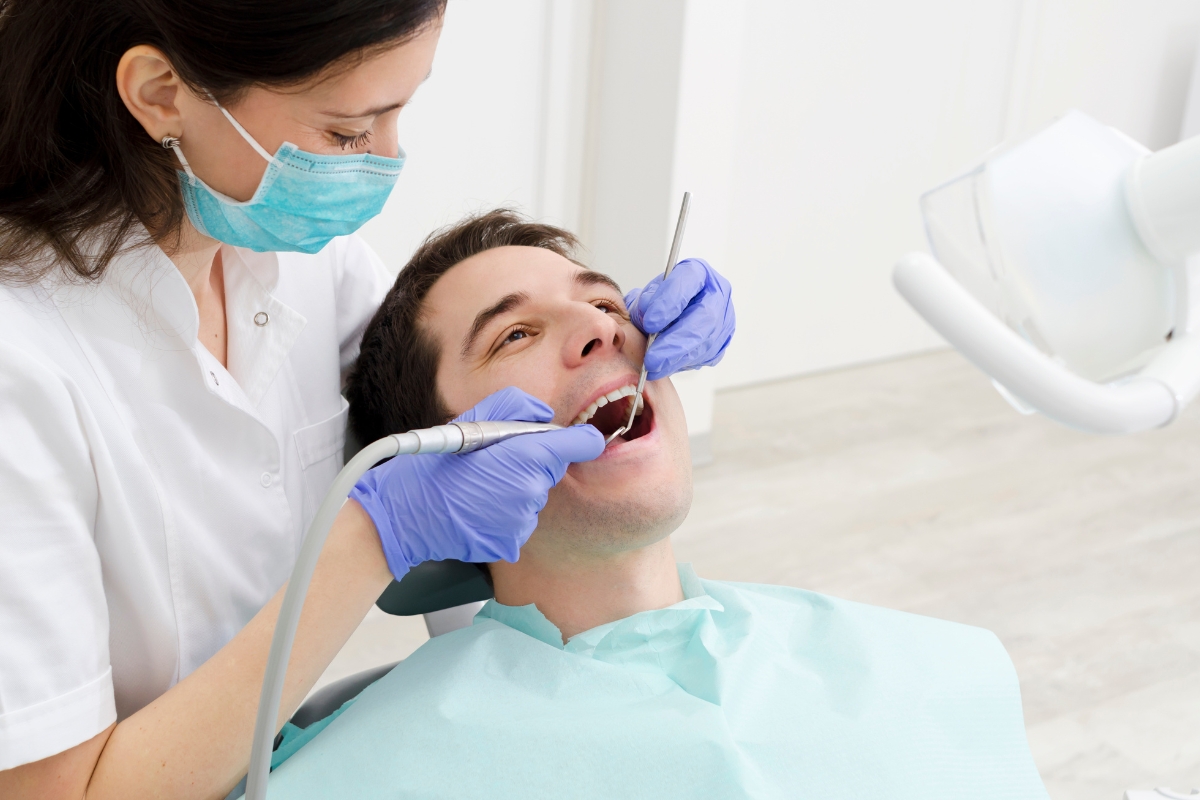
For most patients, dental sealant application is a comfortable, quick procedure. The process involves cleaning and drying the teeth before applying the resin. Once the resin is placed, a special light is used to harden it. There is no drilling involved, and the procedure is generally pain-free. Any discomfort that may arise from the slight change in your bite typically resolves within a day or two.
If you’re feeling nervous about the treatment, talk to your dentist beforehand. They can explain the procedure in detail and help ease any concerns you might have. For those with sensitive teeth or anxiety about dental procedures, your dentist can offer tips to make the experience more comfortable.
Dental Sealants Aftercare and Adjustment Period
Once your dental sealants are in place, it’s essential to give yourself time to adjust. In the first few days, you may notice your bite feels slightly different as the sealants settle into place. This is normal, and most people adjust within a few hours or a day. During this time, it’s essential to avoid eating sticky or hard foods that could potentially interfere with the sealants.
Keep in mind that dental sealants are not a substitute for regular oral hygiene. Brushing and flossing your teeth as usual is essential to maintaining the effectiveness of the sealants and your overall oral health.
Take the First Step Toward Stronger Teeth
In conclusion, dental sealants are a great way to protect your teeth from decay and cavities, without significantly affecting your bite. Though you may experience a brief adjustment period, most patients find the process to be comfortable and straightforward. If you are considering dental sealants, it’s essential to talk to your dentist about what to expect and address any concerns you may have.
If you are ready to safeguard your smile, Diamond Family Dental of Sterling Heights is here to help. Contact us to get started on your journey to better dental health. Schedule a consultation today, and our friendly team will walk you through the process, ensuring you feel confident and comfortable every step of the way!
FAQs
- How long do dental sealants last?
Dental sealants can last for several years, typically between 5 and 10 years. Regular checkups with your dentist will ensure they remain effective. - Are dental sealants safe?
Yes, dental sealants are safe and widely used to prevent cavities. The materials used are approved by dental associations, and they are non-toxic. - Do I need to replace sealants?
Yes, over time, sealants can wear down or chip. Your dentist will check their condition during your regular checkups and replace them if necessary. - Can dental sealants be applied to adults?
While dental sealants are commonly used on children, adults can also benefit from them, especially if they are prone to cavities or have deep grooves in their teeth. - How do dental sealants protect my teeth?
Dental sealants provide a protective barrier over the chewing surfaces of your molars, preventing food particles and bacteria from causing cavities.