

Getting a dental bridge is a meaningful step toward restoring your smile and chewing function. But once you leave the dental chair, questions often start to arise. What to expect after your dental bridge — including recovery and eating tips in Sterling Heights — is something Dr. Salwan Yousif and the team at Diamond Family Dental of Sterling Heights want every patient to understand clearly. Knowing what’s normal helps you heal faster and feel more confident throughout the process.
Your Dental Bridge Recovery Timeline in Sterling Heights
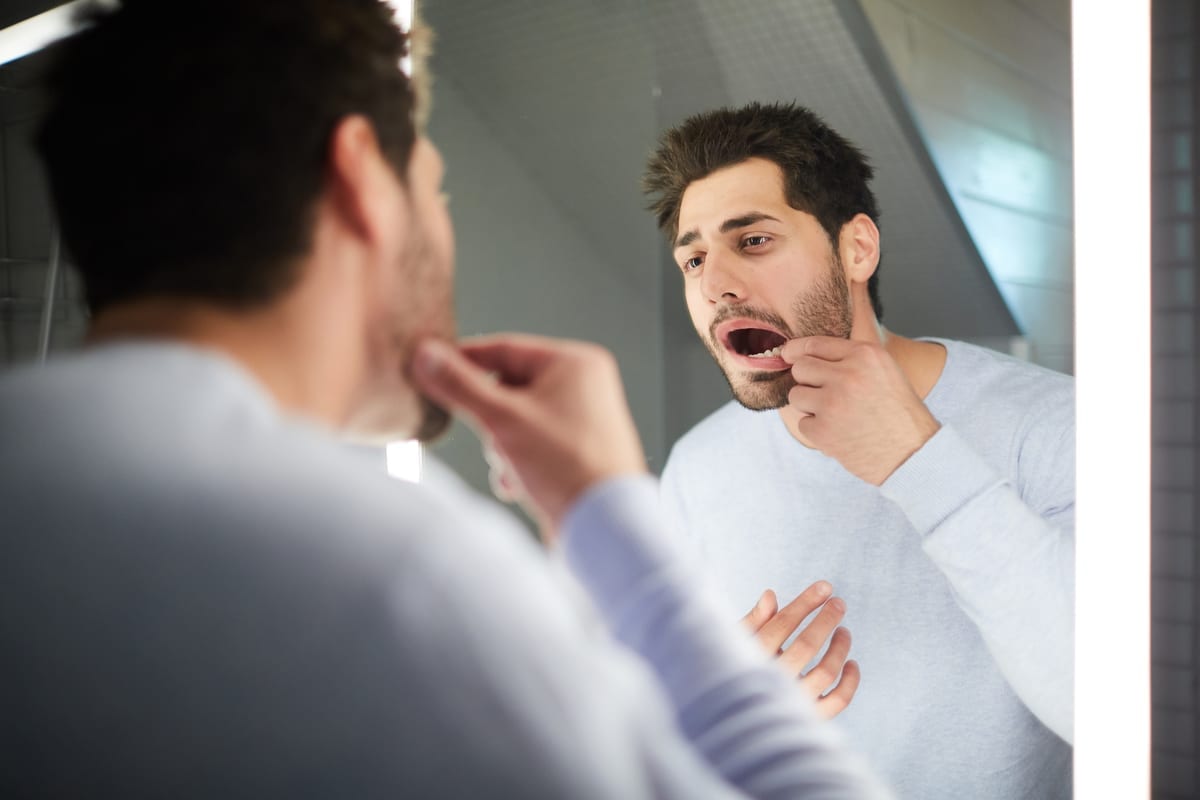
Most patients experience some sensitivity and mild discomfort immediately after their bridge is placed. This is completely normal and typically peaks within the first 24 to 48 hours. Your gums and the supporting teeth need time to adjust to the new restoration.
By the end of the first week, most discomfort should fade noticeably. Full adjustment to the bridge — including getting used to your bite — usually happens within two to four weeks. Every patient is different, so don’t be discouraged if your timeline varies slightly.
Patients who receive a temporary bridge while waiting for their permanent one may experience slightly more sensitivity. The temporary cement is softer and the fit is less precise. Be especially gentle during this phase to avoid dislodging it.
What to Eat After Your Dental Bridge: Tips for Sterling Heights Patients
Diet is one of the most important parts of your recovery. What you eat — and avoid — can make a significant difference in your comfort and healing. Following these guidelines helps protect both your bridge and your surrounding teeth.
During the first few days, stick to soft foods that require minimal chewing. Good options include:
- Yogurt, pudding, and applesauce
- Scrambled eggs and soft-cooked fish
- Mashed potatoes and cooked vegetables
- Smoothies and protein shakes
- Soft pasta and oatmeal
As your sensitivity decreases over the following weeks, you can gradually reintroduce firmer foods. Always chew on both sides of your mouth to distribute pressure evenly. This protects the bridge and reduces strain on the abutment teeth.
Avoid hard, crunchy, or sticky foods throughout your recovery. Items like hard candy, ice, crusty bread, and chewy caramel can loosen or crack your bridge. These restrictions may feel limiting at first, but they protect your investment in your new smile.
Managing Discomfort and Sensitivity After Placement
Some degree of soreness around the gum line is expected after a dental bridge procedure. Over-the-counter pain relievers like ibuprofen or acetaminophen usually manage this effectively. Always follow the dosing instructions on the packaging.
Cold sensitivity is also very common, especially in the first week. Try using a toothpaste formulated for sensitive teeth. Avoid extremely hot or cold beverages until the sensitivity settles down.
You may also notice your bite feels slightly off after placement. This is normal and often resolves on its own as you adjust. However, if your bite feels uneven after a week, contact our office so we can make a quick adjustment.
Here are key comfort tips to follow during your recovery:
- Rinse gently with warm salt water twice daily
- Avoid smoking or tobacco products during healing
- Sleep with your head slightly elevated the first night
- Use a soft-bristled toothbrush around the bridge area
- Floss carefully using a floss threader or water flosser
When to Call Diamond Family Dental of Sterling Heights
Most recovery experiences are straightforward, but there are certain signs that require a prompt call to our office. Recognizing these early protects your dental health and prevents complications from developing.
Contact us right away if you notice any of the following:
- Severe or worsening pain after the first 48 hours
- Your bridge feels loose or has shifted
- Swelling or visible signs of infection around the gums
- A broken or cracked bridge component
- Persistent bite problems lasting more than one week
If you experience a dental emergency related to your bridge, Emergency Dental Care Sterling Heights is available at Diamond Family Dental of Sterling Heights. Dr. Yousif and our team are here to help you quickly. Never wait too long when something feels wrong — early intervention saves teeth.
Caring for Your Bridge Long-Term
A dental bridge can last 10 to 15 years or longer with proper care. Long-term maintenance is straightforward, but it does require consistency. Think of your bridge like a natural tooth — it needs daily attention.
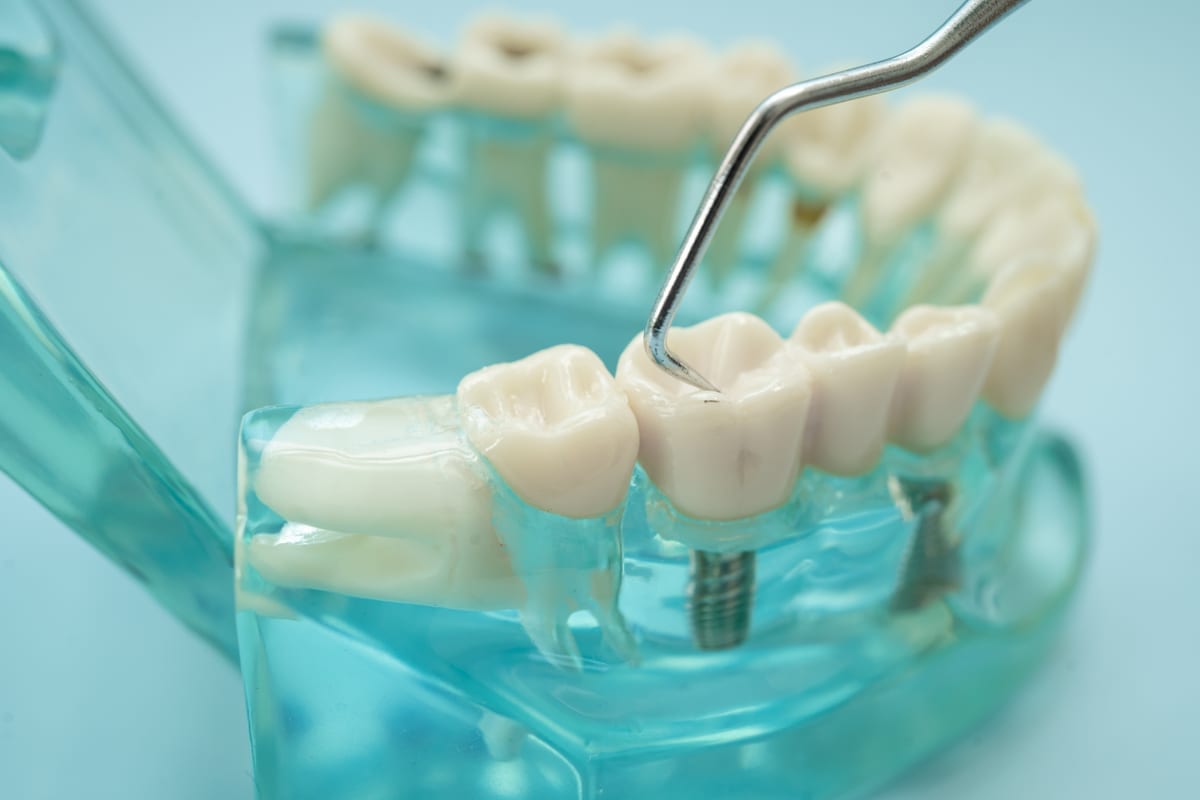
Brush twice daily and clean under the bridge using a floss threader or interdental brushes. Plaque can accumulate beneath the pontic (the artificial tooth) and cause gum disease if left unchecked. This is one of the most common causes of bridge failure over time.
Regular checkups and professional cleanings at Diamond Family Dental of Sterling Heights are essential. Dr. Yousif will monitor the health of your bridge and the surrounding teeth at every visit. If you’re also considering other smile improvements, explore our Cosmetic Dentistry Sterling Heights services for options like whitening or veneers to complement your restored smile.
Wearing a night guard is also recommended if you grind your teeth. Bruxism places enormous stress on bridges and can shorten their lifespan significantly. Ask Dr. Yousif if a custom guard is right for you.
Conclusion: Recovering Confidently With the Right Support
Understanding what to expect after your dental bridge — including recovery and eating tips in Sterling Heights — helps you heal with confidence and avoid unnecessary setbacks. Follow your post-care instructions, eat the right foods, and reach out to our team whenever you have concerns. Dr. Salwan Yousif and the Diamond Family Dental of Sterling Heights team are committed to guiding you through every step of your recovery. Book Now to schedule your appointment with our team.
Frequently Asked Questions
How long does it take to feel normal after a dental bridge?
Most patients feel comfortable within one to two weeks after their dental bridge is placed. Mild sensitivity and bite adjustment can take up to four weeks. If discomfort continues beyond that point, contact Dr. Yousif’s office for an evaluation.
Can I eat normally right after getting a dental bridge?
You should stick to soft foods for the first few days following bridge placement. Avoid hard, sticky, or crunchy foods that could damage or dislodge the bridge. You can gradually return to your regular diet as sensitivity decreases over the following weeks.
Is it normal for my bite to feel off after a dental bridge?
Yes, a slightly uneven bite is very common right after bridge placement. It often corrects itself as your mouth adjusts. However, if the problem persists beyond a week, schedule a quick adjustment appointment with Dr. Yousif.
How do I clean under my dental bridge?
You can clean under your dental bridge using a floss threader, water flosser, or interdental brushes. Standard floss cannot reach beneath the pontic without a threader. Cleaning this area daily prevents plaque buildup and protects your gum health.
What should I avoid after getting a dental bridge?
Avoid hard candies, ice, chewy caramel, and very crunchy foods after your dental bridge is placed. Also avoid smoking, which can slow healing and increase infection risk. Protect your bridge by following all post-care guidelines provided by Dr. Yousif.