


Losing a tooth changes more than your smile. It starts a chain reaction beneath your gumline that affects your jawbone, your face shape, and your daily comfort. If you are weighing dentures vs. implants and which protects your jawbone long-term in Sterling Heights, you are asking exactly the right question. Dr. Salwan Yousif at Diamond Family Dental of Sterling Heights helps patients understand both options honestly — so you can make a confident, informed choice.
Why Jawbone Health Matters After Tooth Loss
Your jawbone stays strong because tooth roots stimulate it every time you bite and chew. When a tooth is gone, that stimulation disappears. The bone in that area begins to shrink — a process called resorption.
Resorption is not just a cosmetic concern. It changes your bite, weakens neighboring teeth, and alters your facial structure over time. Many patients notice a sunken appearance in their cheeks and jaw within a few years of tooth loss.
The speed of bone loss depends on how many teeth you have lost and what replacement you choose. This is the critical difference between dentures and implants — and it is why jawbone health must drive your decision.
How Dentures Affect Your Jawbone Long-Term
Traditional dentures sit on top of your gums. They restore your ability to chew and improve the appearance of your smile. However, they do not replace tooth roots.
Without root stimulation, the jawbone continues to resorb beneath the denture. Studies suggest patients can lose up to 25% of jawbone density in the first year after tooth extraction alone. Dentures do not stop this process — they simply rest on the shrinking ridge.
As the bone changes shape, dentures loosen. They may slip during eating or speaking, causing irritation and discomfort. Most patients need denture relines or replacements every five to seven years to accommodate bone changes.
- Dentures do not stimulate jawbone tissue
- Bone resorption continues beneath a denture over time
- A changing bone ridge causes dentures to fit poorly
- Loose dentures can restrict your diet and affect confidence
- Ongoing costs include relines, adhesives, and eventual replacements
None of this means dentures are a bad choice for everyone. They remain a practical, accessible option — especially when implants are not possible due to existing bone loss.
How Dental Implants Protect the Jawbone
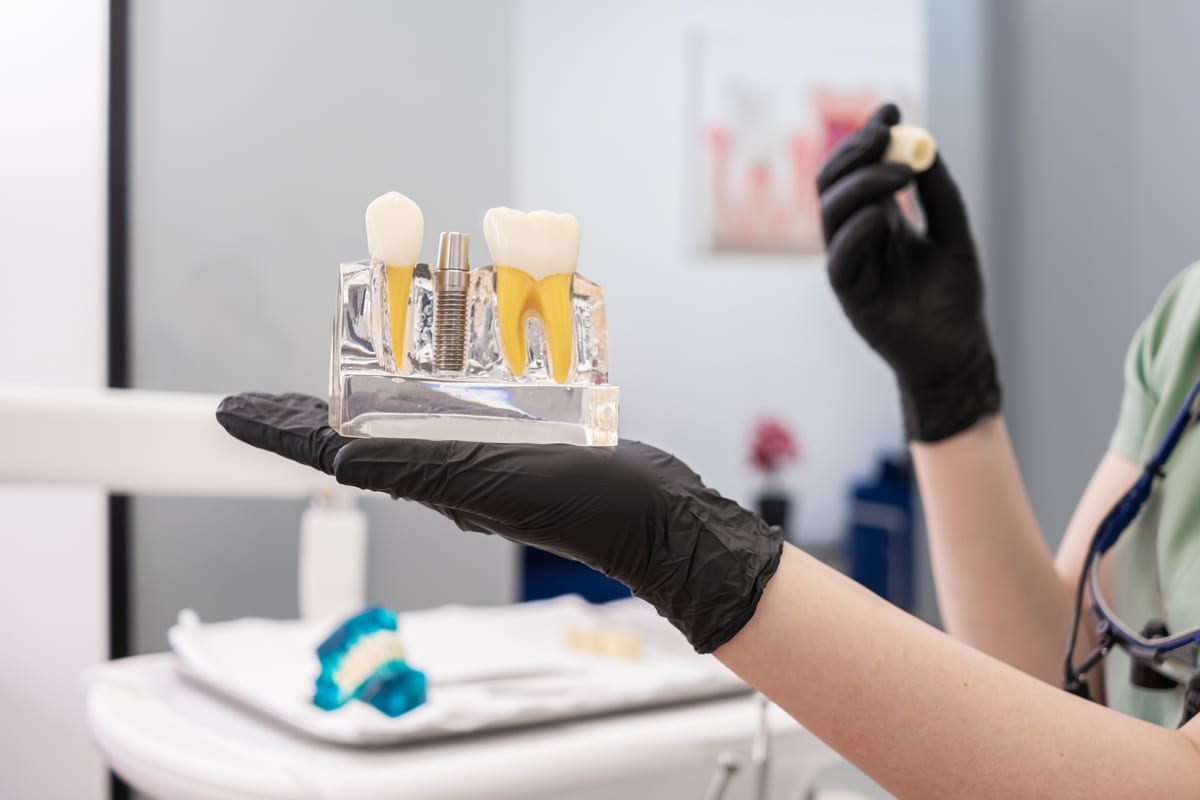
Dental implants work differently at a fundamental level. A titanium post is placed directly into the jawbone, mimicking the function of a natural tooth root. This stimulates the bone every time you bite, preventing resorption.
The bone actually grows around the implant in a process called osseointegration. This creates a stable, permanent foundation. Patients who choose implants early can preserve their bone density and maintain their facial structure for decades.
Implants also feel and function like natural teeth. There are no adhesives, no removal at night, and no dietary restrictions. The implant crown is custom-made to match your surrounding teeth.
- Implant posts stimulate jawbone like natural tooth roots
- Osseointegration bonds the implant permanently to the bone
- Bone density is preserved, preventing facial collapse
- Implants do not loosen or shift with daily use
- A single implant can last 20 years or more with proper care
- No dietary limitations once fully healed
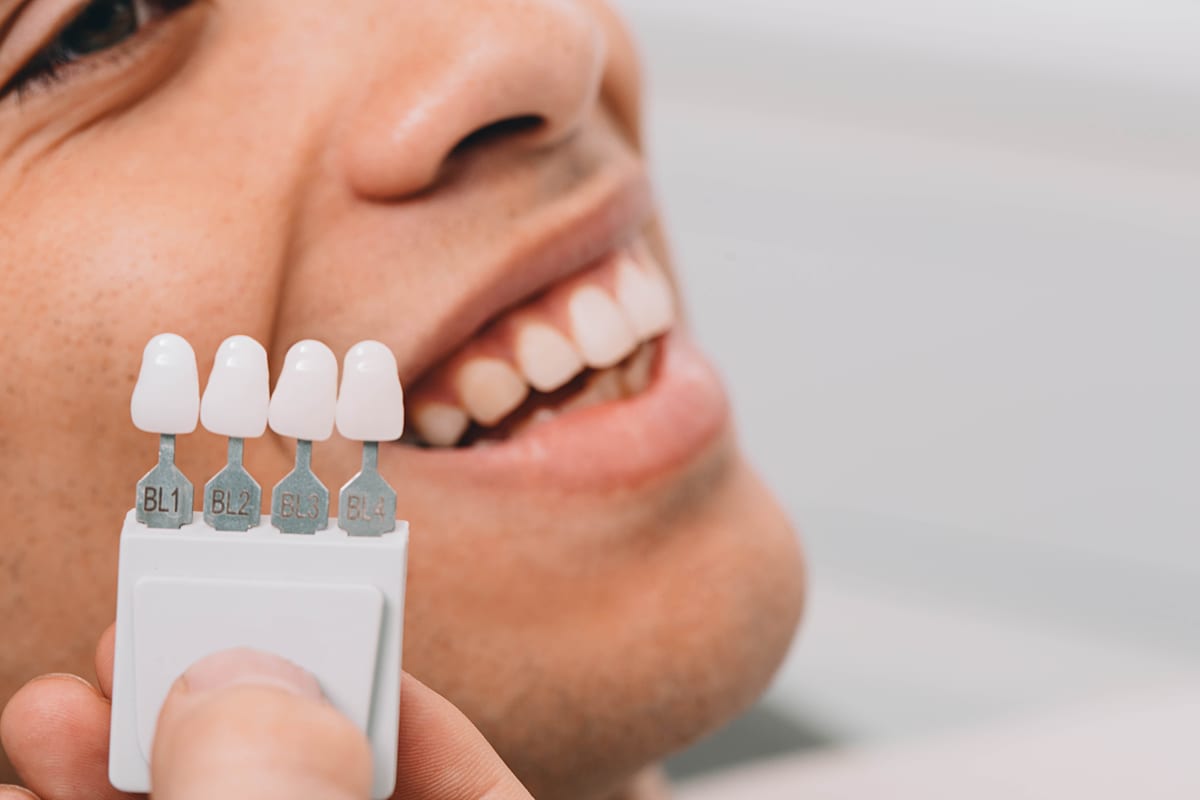
Implants are also part of broader Cosmetic Dentistry Sterling Heights solutions, helping patients achieve both a healthy bite and a confident, natural-looking smile.
Cost and Quality of Life: An Honest Comparison
Upfront, dentures cost less than implants. This is a genuine consideration for many Sterling Heights patients. However, the long-term cost picture is more nuanced.
Implants require a higher initial investment. But they typically need far less maintenance over a lifetime. You avoid ongoing costs for adhesives, relines, and full replacements. For many patients, implants become the more economical choice over ten to twenty years.
Quality of life differences are significant. Implant patients report eating a wider variety of foods, speaking more clearly, and feeling more socially confident. Denture wearers sometimes avoid certain foods or social situations due to fear of slippage.
Bone preservation also has quality-of-life consequences. Patients who experience significant resorption may develop difficulty chewing even with dentures. Rebuilding lost bone for a future implant becomes more complex and costly. Acting sooner protects your options long-term.
Which Option Is Right for You in Sterling Heights?
The right answer depends on your bone health, your overall health, your timeline, and your personal goals. Some patients do not have enough bone density for implants without a bone graft procedure first. Others have medical conditions that affect healing.
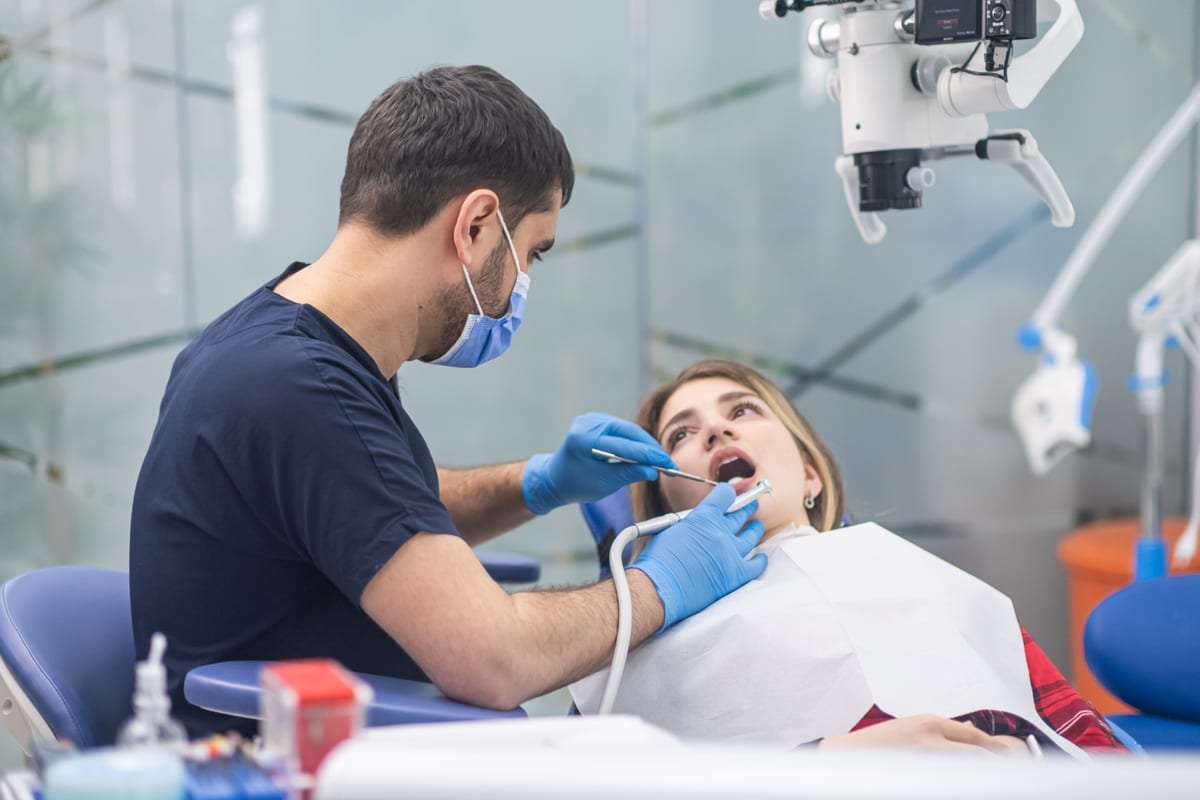
Dr. Yousif evaluates each patient individually. A thorough examination — including digital X-rays — shows the current state of your jawbone. From there, a personalized treatment plan takes shape.
If you are dealing with a dental emergency, such as a severely damaged tooth needing extraction, prompt care matters. Timely extractions followed by implant planning help minimize bone loss. Emergency Dental Care Sterling Heights at Diamond Family Dental ensures you receive that rapid, coordinated support when you need it most.
Implants are not always the immediate answer — but they are worth planning for early. Even if you start with a temporary denture, discussing your implant candidacy now preserves your future options.
Conclusion: Protect Your Jawbone With the Right Choice
Comparing dentures vs. implants for long-term jawbone protection in Sterling Heights comes down to one core difference: implants stimulate bone, dentures do not. Both options restore the appearance of your smile, but only implants protect the foundation beneath it. Understanding this distinction helps you make a decision you will feel good about for years to come. Book Now to schedule your appointment with our team.
Frequently Asked Questions
Do dentures cause bone loss in the jaw?
Dentures do not directly cause bone loss, but they do not prevent it either. Without a tooth root or implant to stimulate the jawbone, the bone naturally resorbs over time. This is why many long-term denture wearers experience changes in jaw shape and denture fit.
How long do dental implants last compared to dentures?
With proper care, dental implants can last 20 years or longer — and many patients keep them for life. Traditional dentures typically need to be relined or replaced every five to seven years as the jawbone changes shape beneath them.
Can I get dental implants if I already wear dentures?
Yes, in many cases patients can transition from dentures to implants. However, if significant bone loss has already occurred, a bone graft procedure may be needed first. Dr. Yousif will assess your bone density with imaging to determine the best path forward for your situation.
Are implants painful to get?
Most patients are surprised by how manageable the procedure is. Local anesthesia is used during placement, and any post-procedure discomfort is typically mild. Dr. Yousif walks every patient through what to expect so there are no surprises.
Is there an age limit for dental implants?
There is no upper age limit for dental implants. Older patients in good overall health are often excellent candidates. The most important factors are adequate bone density, healthy gums, and the absence of certain systemic conditions that affect healing. A thorough evaluation at our Sterling Heights office determines your eligibility.