

Teeth whitening can dramatically enhance your smile, giving you a bright, radiant appearance. However, many people experience one common side effect: sensitive teeth. It’s a frequent concern for those considering whitening treatments, and it can be worrying if you’ve just had your teeth whitened. If you’re wondering whether sensitive teeth after teeth whitening are common or how to prevent them, you’re not alone. In this blog, we’ll explain why this happens, how to manage it, and share tips to help you enjoy a beautiful smile without discomfort.
Why Do Teeth Become Sensitive After Whitening?
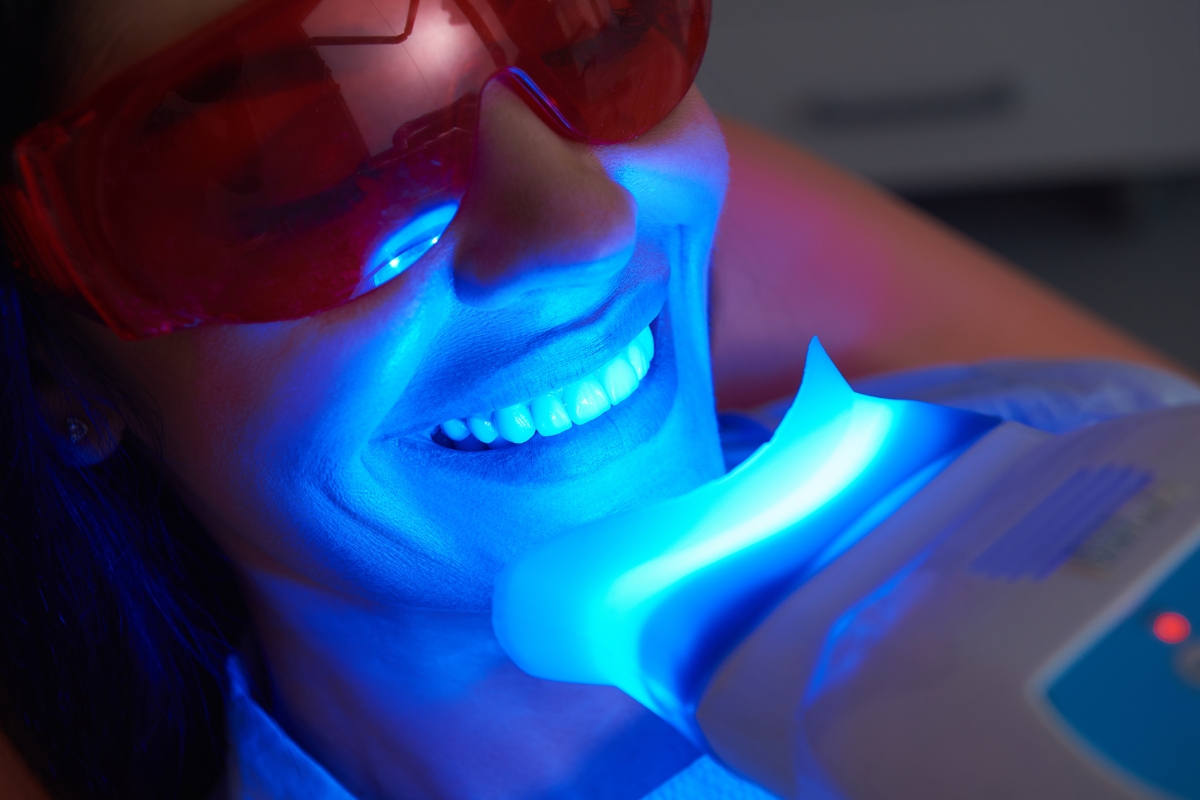
Sensitive teeth after teeth whitening are a common issue, but why does it happen? Whitening products typically contain ingredients like hydrogen peroxide or carbamide peroxide, which are effective in breaking down stains but can also temporarily irritate the nerves inside your teeth. These ingredients work by penetrating the enamel to remove deep stains, but during the process, they can make the enamel slightly more porous, leading to sensitivity.
Here are the main causes of sensitivity after teeth whitening:
- Enamel weakening: Teeth whitening products can temporarily soften enamel, leading to increased sensitivity.
- Exposure of dentin: The whitening process may expose the dentin (the layer beneath the enamel) more than usual, which can make your teeth more sensitive.
- Existing oral health issues: Conditions like gum disease or cavities can increase the risk of sensitivity during whitening.
- Overuse of whitening products: Excessive whitening treatments can wear down enamel, increasing sensitivity.
How Long Does Tooth Sensitivity Last After Whitening?
The good news is that tooth sensitivity caused by whitening is usually temporary. Most people report that the sensitivity lasts only a few hours to a couple of days after the procedure. However, suppose sensitivity persists beyond this time frame. In that case, it’s a good idea to consult with your dentist, as it may indicate an underlying issue, such as tooth decay or gum recession.
Preventing Sensitive Teeth After Whitening
While sensitivity is often temporary, there are steps you can take to prevent it or reduce its severity. Here are a few tips for a more comfortable teeth whitening experience:
- Choose the Right Whitening Method
Not all whitening treatments are the same. If you’re concerned about sensitivity, consider professional teeth whitening rather than DIY whitening options. In-office whitening allows for a more controlled, even application of the whitening gel, reducing the risk of irritation. - Use Desensitizing Toothpaste
Before and after your whitening treatment, use a desensitizing toothpaste. These products are formulated to block pain signals from reaching your nerves, helping to reduce sensitivity. Make sure to use them for at least a week before and after whitening. - Limit the Use of Whitening Products
Overuse of whitening products can lead to lasting enamel damage and prolonged sensitivity. Stick to the recommended whitening treatment schedule and avoid using over-the-counter products excessively. - Avoid Extreme Temperatures
For a few days after your whitening treatment, avoid consuming extremely hot or cold foods and drinks. This will help reduce the risk of triggering sensitivity. - Consult Your Dentist
If you’re experiencing significant discomfort, your dentist can recommend specific treatments or changes to your whitening routine to prevent sensitivity. They may also suggest a fluoride treatment to strengthen your enamel.
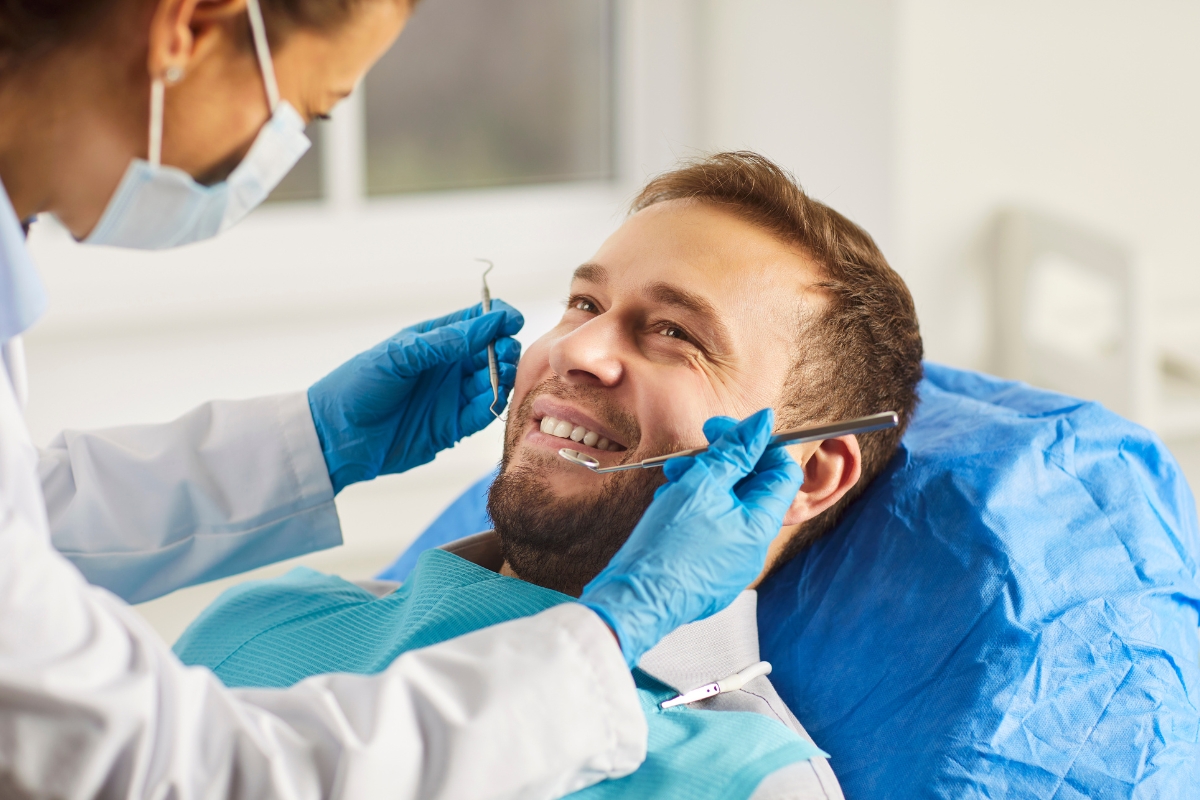
If you’re in Sterling Heights and considering teeth whitening, it’s important to choose a professional dentist who can guide you through the process. Professional teeth whitening treatments offer greater control over the process, minimizing risks like sensitivity while providing better, longer-lasting results than over-the-counter products. A dentist will evaluate your oral health and recommend the safest treatment for your needs.
Book an appointment with Diamond Family Dental in Sterling Heights today! Our team is here to help you achieve your healthiest, most radiant smile.
Frequently Asked Questions (FAQs)
- How do I know if my teeth are too sensitive for whitening?
If you experience pain or discomfort when eating hot or cold foods, or if you have thin enamel or gum recession, you might be more prone to sensitivity. It’s best to consult with a dentist before proceeding with whitening. - Can teeth whitening cause permanent damage?
No, teeth whitening does not cause permanent damage when done correctly. However, overuse of whitening products or the use of products that are too harsh can lead to enamel wear. - Are there alternatives to whitening that don’t cause sensitivity?
Yes, natural whitening methods like oil pulling or using non-peroxide whitening products can help brighten your smile without causing sensitivity. - Is teeth whitening safe for everyone?
Teeth whitening is generally safe for healthy teeth and gums. However, if you have existing dental issues, such as cavities or gum disease, it’s best to consult with your dentist before whitening.