

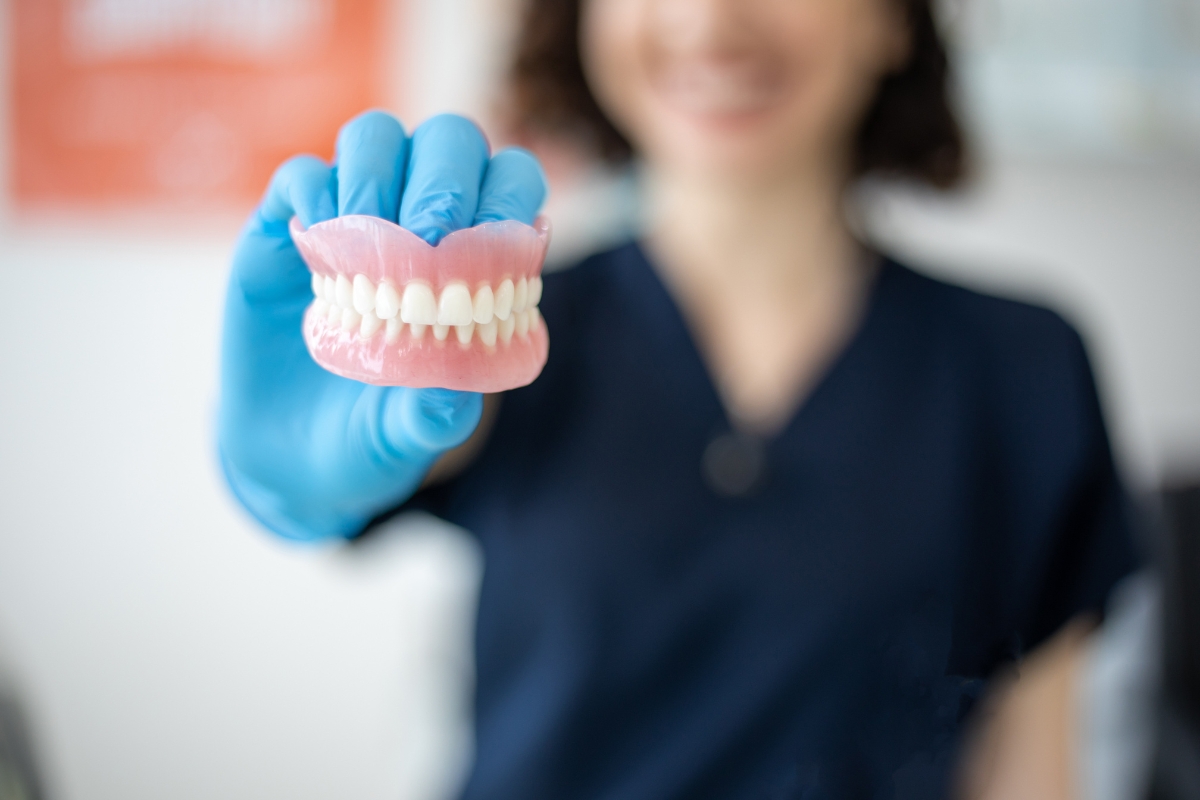
When it comes to restoring your smile after losing teeth, dentures are a common and effective solution. Whether you’ve lost a few teeth or an entire row, dentures can help bring back both the function and aesthetic appeal of your smile. However, with different types of dentures available, it’s essential to understand the differences between full and partial dentures and explore which option best fits your needs.
In this guide, we’ll walk you through the key differences between full and partial dentures and help you understand the various types of dentures available at Diamond Family Dental, designed to restore your smile and confidence.
Full Dentures: A Complete Solution for Tooth Loss
Full dentures, also known as complete dentures, are ideal for patients who have lost all of their teeth in one arch, whether upper or lower. These dentures consist of a full set of artificial teeth mounted on a pink acrylic base designed to resemble natural gum tissue. Full dentures are designed to sit directly on your gums, relying on suction and muscle coordination to stay in place. While some patients may also use denture adhesives for added stability, full dentures are often an excellent option for those needing to replace an entire set of teeth.
Partial Dentures: Filling in the Gaps
Partial dentures are the perfect solution for individuals who still have some natural teeth remaining. These dentures are custom-made to fit around the existing teeth, filling in the gaps created by missing teeth. Partial dentures often include metal clasps or precision attachments to securely anchor the denture.
The base of a partial denture is typically made from a combination of acrylic and metal, offering both durability and flexibility. Partial dentures not only restore the appearance of your smile but also prevent remaining teeth from shifting out of place, ensuring proper alignment.
Full vs. Partial Dentures: What’s the Difference?
The primary difference between full and partial dentures lies in the extent of tooth loss. If you have lost all your teeth in one or both arches, full dentures in Sterling Heights, Michigan, will be the solution for you. If you have only lost a few teeth and have healthy teeth remaining, partial dentures will fill in the gaps without the need for a complete set.
While both types of dentures serve the same purpose, restoring the appearance and function of your smile, the way they are made and their fit vary depending on how many teeth are missing. Full dentures are more reliant on suction and adhesives for stability, while partial dentures are anchored around your remaining natural teeth, offering more security.
Which Dentures to Choose at Diamond Family Dental?
At Diamond Family Dental, Dr. Salwan Yousif and our team offer a variety of denture options to ensure you get the perfect fit for your unique needs. Here’s a look at some of the most common denture options available:
Traditional Full Dentures
Traditional full dentures are a popular choice for patients who have lost all of their teeth in one arch. These dentures provide a full set of artificial teeth that look and function like natural teeth. Traditional full dentures rely on the natural suction of your gums to stay in place, offering a secure fit for most patients.
Immediate Dentures
Immediate dentures are designed for patients who need to replace teeth immediately after an extraction. These dentures are made in advance and placed right after your teeth are removed, allowing you to maintain a full smile throughout the healing process. While immediate dentures are a convenient solution, they may require adjustments as your gums heal and change shape.
Implant-Supported Dentures
Implant-supported dentures provide additional stability by attaching to dental implants that are surgically placed into your jawbone. These dentures offer a more secure fit compared to traditional dentures, preventing movement or slippage during speaking or eating. Implant-supported dentures still need to be removed for cleaning but offer greater comfort and confidence, making them an ideal choice for many patients seeking long-term stability.
How to Choose the Right Denture for Your Smile?
Deciding between full and partial dentures largely depends on the extent of your tooth loss and your specific needs. Full dentures are ideal for those who have lost all of their teeth in an arch, while partial dentures are best suited for those who still have some natural teeth remaining. At Diamond Family Dental, Dr. Yousif and our experienced team will work with you to determine the best denture option based on your unique situation.
If you are ready to explore the best denture options for your smile, schedule a consultation with Dr. Yousif today. Whether you are considering traditional full dentures, implant-supported dentures, or immediate dentures, we’re here to help guide you through the decision-making process. We will help you regain confidence in your smile and provide expert dental care every step of the way.
FAQs
- How long do dentures last?
Dentures can last 5 to 10 years, depending on the care they receive and changes in your mouth. Regular dental checkups are essential for ensuring the fit remains optimal over time. - Can I eat with dentures?
Yes, you can eat with dentures, but it’s best to start with softer foods until you get used to wearing them. Over time, you’ll be able to eat most foods comfortably. - Are partial dentures comfortable?
Partial dentures are designed to fit around your remaining natural teeth, which typically makes them more stable and comfortable than full dentures. However, it may take some time to adjust to wearing them. - What is the difference between implant-supported dentures and traditional dentures?
Implant-supported dentures are attached to dental implants placed in your jawbone, offering superior stability and comfort compared to traditional dentures that rely on suction or adhesives. - How do I care for my dentures?
Clean your dentures daily with a non-abrasive cleaner and remove them at night to give your gums a rest. Regular visits to your dentist are important for keeping your dentures in good condition.