

Myths and misconceptions have long surrounded root canal treatment. Many people fear the procedure without fully understanding its benefits and effectiveness. If you’re wondering what exactly happens during a root canal, you’re not alone. Dr. Yousif from Diamond Family Dental addresses the most common myths to help you make an informed decision about your dental care. By clearing up these misunderstandings, you can approach root canal treatment with confidence and a clear understanding of what to expect.
Root Canal Myth 1: “Root Canals Are Extremely Painful”
One of the most persistent myths about root canals is that they are painful. In reality, this procedure is designed to eliminate pain, not cause it. Modern dental techniques, along with local anesthesia, ensure that the treatment is as comfortable as possible. In fact, root canal therapy often alleviates the severe pain caused by an infected tooth.
Many patients find that the discomfort they experience afterward is similar to that of a routine filling or other dental procedures. With proper care and your dentist’s guidance, recovery from a root canal is manageable and short-lived.
Root Canal Myth 2: “Root Canals Cause Serious Health Issues”
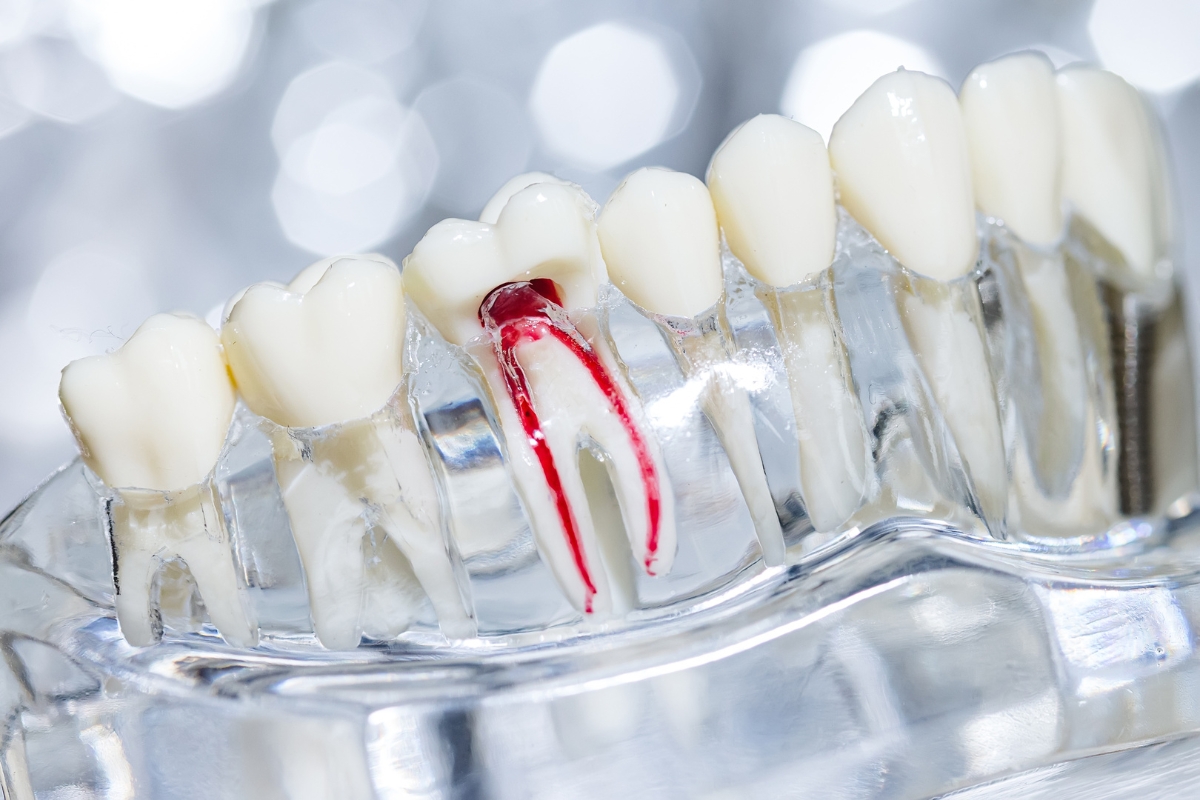
Another widespread myth is that root canals can lead to serious health problems. Countless dental professionals and health organizations have debunked this myth. There is no scientific evidence to support the claim that root canal therapy causes systemic diseases or long-term health complications. Root canals are safe and have been a trusted treatment option for over a century. The procedure focuses on removing infection from inside the tooth, preserving its structure, and preventing the spread of disease to surrounding areas.
Root Canal Myth 3: “You Can Always Tell if You Need a Root Canal”
Many people assume that if they need a root canal, they’ll feel excruciating pain or notice swelling. While severe pain can be a symptom of infection, not all root canal cases present with obvious signs. Some issues, such as a deep cavity or an unnoticed crack in the tooth, can lead to infection deep inside the tooth without any outward symptoms.
This is why regular dental check-ups are essential. Dr. Yousif and his team at Diamond Family Dental use advanced diagnostic tools, such as X-rays, to detect problems before they become more severe and to recommend treatment options that prevent further complications.
Root Canal Myth 4: “Root Canals Are Not Worth the Effort”
Some people believe that opting for a root canal isn’t worth the effort and that it’s better just to extract the tooth. However, this is not always the best decision for your long-term oral health. A root canal allows you to save your natural tooth, which is always the best option whenever possible. Extracting the tooth can lead to further complications, such as shifting of nearby teeth and potential problems with bite alignment.
By choosing root canal therapy, you’re preserving the natural tooth structure, which can help maintain overall dental health and function.
Root Canal Myth 5: “Root Canals Are Only for People with Severe Tooth Damage”
Not every root canal is a result of severe tooth decay. While it’s true that tooth decay can lead to the need for a root canal, other conditions, such as cracked teeth or trauma, can also damage the tooth’s pulp, requiring a root canal. If left untreated, these issues can lead to severe pain and even tooth loss.
Root canal therapy has been misunderstood for years, but with the correct information, you can make an informed decision about your dental health. Dr. Yousif and his team at Diamond Family Dental are committed to providing you with accurate, clear, and up-to-date information, debunking common root canal myths and helping you feel confident in your treatment choices. If you think you need a root canal or want more information, don’t hesitate to schedule a consultation with our office.
FAQs:
- What are the signs that I need a root canal?
The most common signs include persistent tooth pain, sensitivity to hot or cold, and swelling around the tooth. If you experience any of these, it’s best to consult with a dentist promptly. - How long does recovery from a root canal take?
Recovery varies, but most patients report feeling back to normal within a few days. Your dentist will provide aftercare instructions to ensure a smooth recovery. - Does dental insurance cover a root canal?
Many dental insurance plans cover root canal treatments, though coverage varies. It’s always a good idea to check with your insurance provider to confirm the details. - Can I get a root canal for a cracked tooth?
Yes, root canals can be performed on cracked teeth to preserve the tooth and prevent infection from spreading.