

If you’re a smoker considering dental implants, you might have some concerns about how your habit will affect your treatment. The question, “Can smokers get dental implants?” is common, and the answer is not as simple as a yes or no. Smoking has a significant impact on oral health, especially when it comes to the healing process after surgery. However, understanding the risks and taking appropriate precautions can help you make an informed decision. In this blog, we’ll explore how smoking affects dental implants and what steps you can take to ensure the best possible outcome for your procedure.
How Smoking Affects Dental Implants
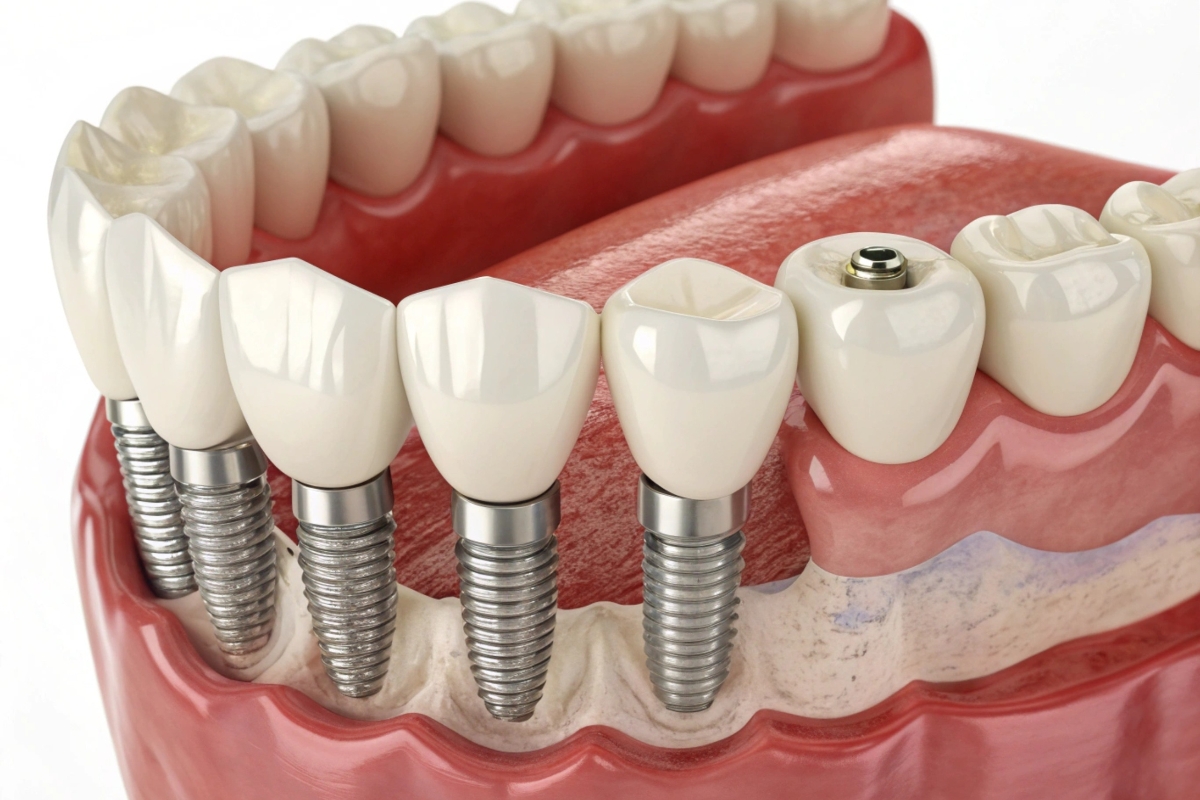
Dental implants are an excellent long-term solution for replacing missing teeth, but they require a healthy oral environment to integrate properly with the jawbone. This process, known as osseointegration, is essential for the success of your implants. Unfortunately, smoking can complicate this healing process in several ways:
Impact on Healing
Nicotine in cigarettes reduces blood flow to the gums, which is critical for healing after surgery. Decreased blood flow can impair the healing of gum and bone tissue, making it more difficult for implants to fully fuse with the jawbone. As a result, smokers are at a higher risk of implant failure.
Increased Risk of Infection
Smoking can also increase your chances of developing infections after dental implant surgery. The reduced oxygen levels and restricted blood flow can make it harder for your body to fight off infection. Infections can cause inflammation around the implant site, leading to implant failure or complications that may require additional treatment.
Gum Disease and Bone Loss
Gum disease is more common among smokers, which can further complicate the dental implant process. Healthy gums are essential for supporting dental implants, and smoking weakens your immune system, making it harder for your body to fight off bacterial infections that lead to gum disease. Additionally, smoking accelerates bone loss, which can result in insufficient bone density for the implant to properly anchor.
Can Smokers Get Dental Implants? Yes, but with Precautions
While smoking increases the risks associated with dental implants, it doesn’t automatically rule out the possibility of getting them. If you smoke and are interested in dental implants, your dentist may advise a few additional steps to ensure the success of your treatment:
1. Quit Smoking Before Surgery
The best thing you can do for your dental implants is to stop smoking before the surgery. Ideally, quitting for at least a few weeks before the procedure allows your body to start healing and improving blood flow to the gums. This can significantly enhance the chances of successful osseointegration.
2. Follow Post-Surgery Instructions Carefully
After surgery, following your dentist’s post-operative care instructions is crucial. This includes taking prescribed antibiotics, avoiding smoking for as long as possible, and attending follow-up appointments. Proper care during the healing process can help reduce complications and promote healing.
3. Regular Check-ups
If you’re a smoker, it’s important to have regular check-ups after your dental implant surgery. Your dentist will closely monitor the implants for any signs of infection or complications, and will intervene early if needed. Consistent visits help keep your implants healthy and secure.
What Are the Alternatives for Smokers?
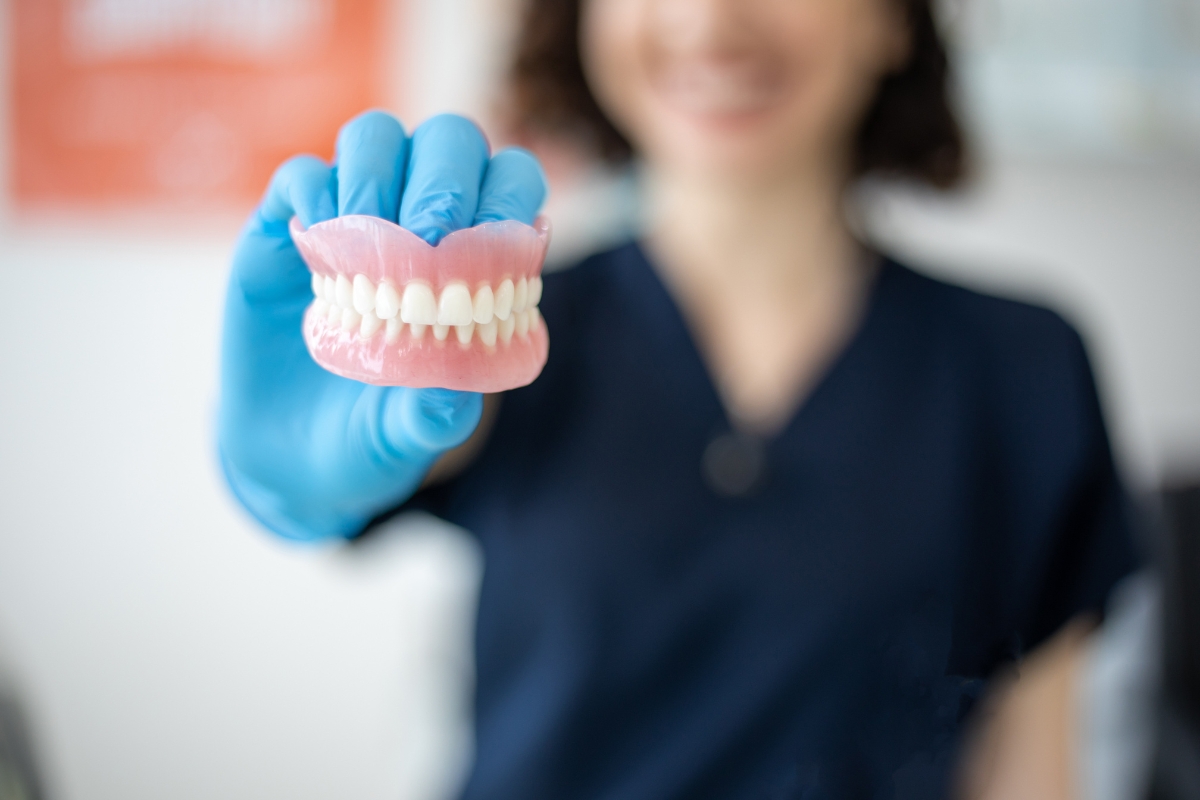
If you’re unable to quit smoking or find it challenging, you might be wondering if there are alternatives to dental implants. For some patients, other treatments such as bridges or dentures might be suitable. However, dental implants remain the most durable and natural-looking option for tooth replacement. Discuss your options with your dentist to determine the best treatment based on your specific situation.
While smoking with dental implants can increase the risk of complications, it doesn’t make dental implants impossible for smokers. By quitting smoking before surgery, following post-surgery instructions, and maintaining regular check-ups, you can increase the likelihood of success. If you’re considering dental implants in Sterling Heights, schedule a consultation with Diamond Family Dental today to learn more about how smoking may affect your treatment and what steps you can take to ensure the best results.
FAQs:
- Can smoking delay the healing of dental implants?
Yes, smoking can reduce blood flow to the gums, which may delay the healing process and impact the success of your dental implants. - How long should I quit smoking before getting dental implants?
It’s recommended to quit smoking at least a few weeks before surgery to give your gums and bones time to heal and improve circulation. - Can I smoke after getting dental implants?
While it’s best to avoid smoking for as long as possible after surgery, if you must smoke, limit it and follow your dentist’s care instructions carefully. - What happens if my dental implants fail due to smoking?
If your dental implants fail due to smoking, you may need additional treatment to address the issue, and your dentist may recommend alternative solutions. - Are there alternatives to dental implants for smokers?
Yes, bridges or dentures can be alternatives, but dental implants offer a more durable and natural-looking solution for tooth replacement.