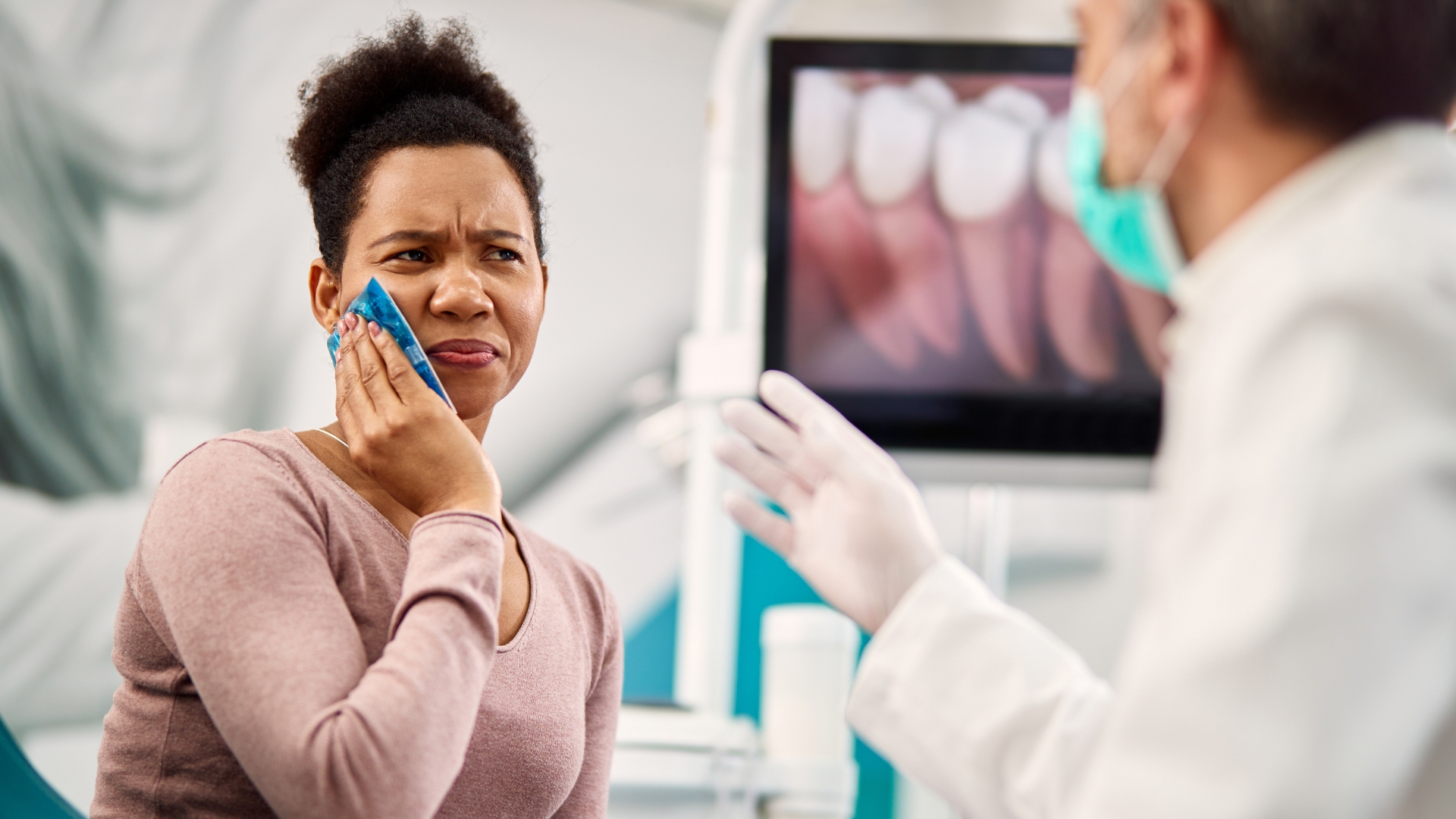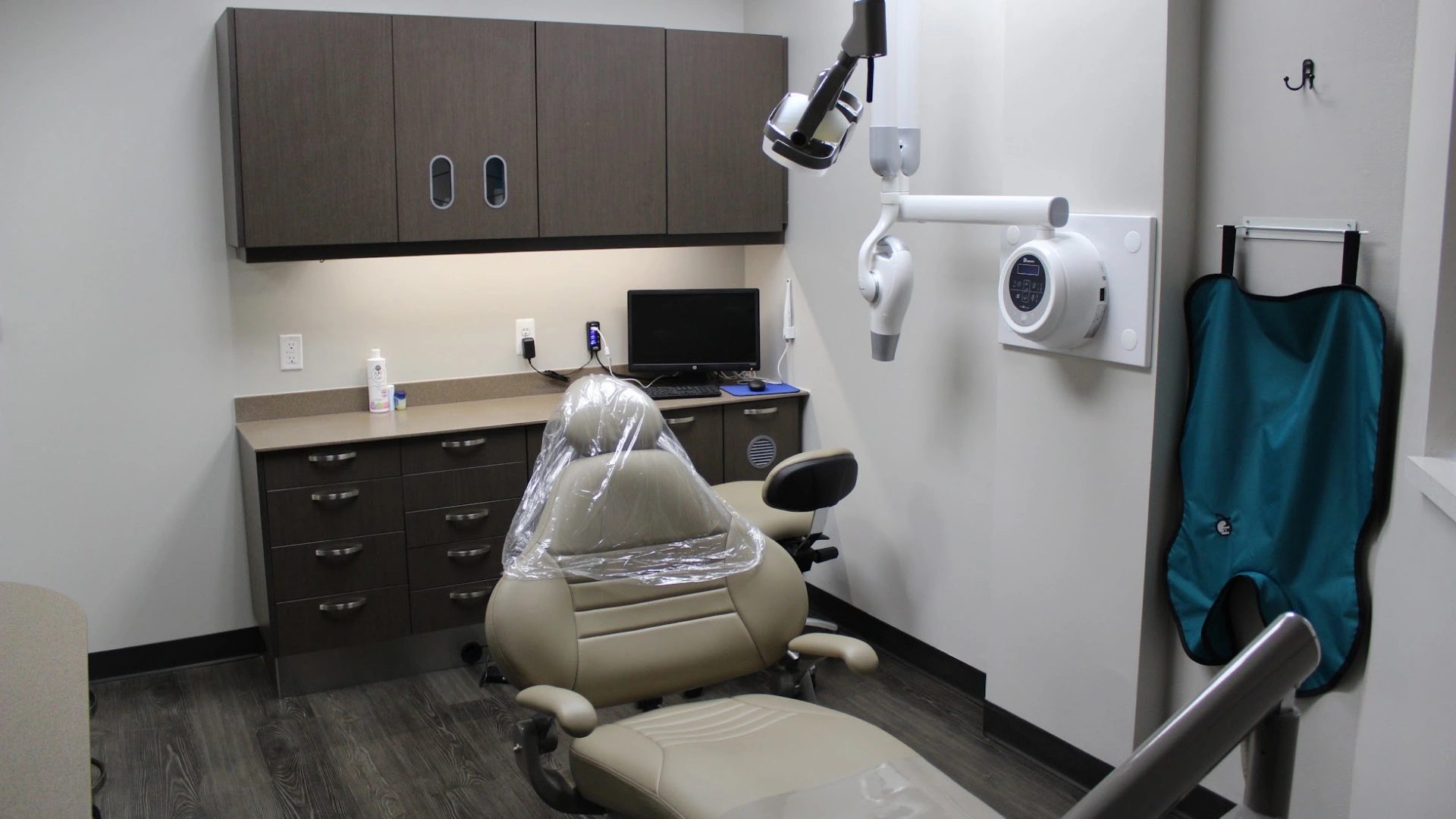


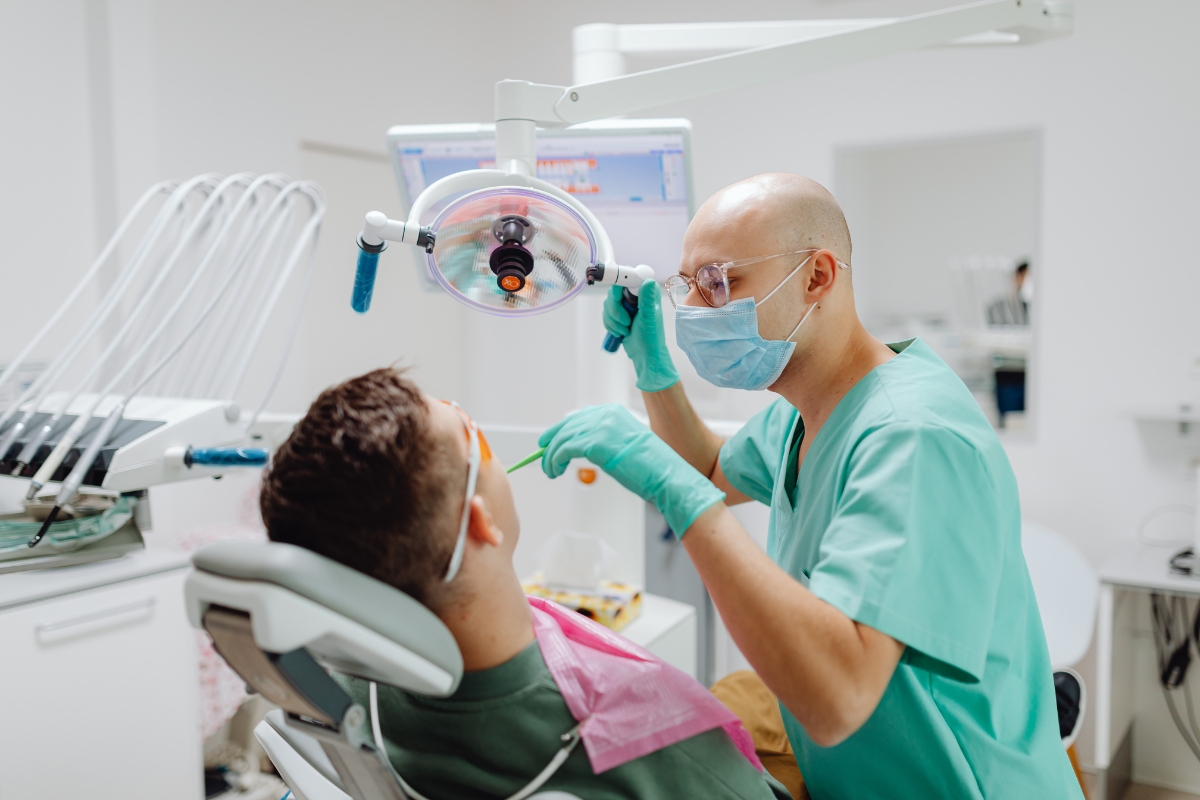
Dental emergencies can happen unexpectedly, often when you least expect them. Whether it’s a sudden toothache, a broken tooth, or even a knocked-out tooth, these situations can cause pain and stress. The good news is that many dental emergencies are preventable with the proper habits and care. At Diamond Family Dental, we want to help you avoid these scenarios by sharing simple tips to protect your smile and your health.
The Importance of Preventing Dental Emergencies
Taking care of your oral health doesn’t just keep your smile looking great—it can also prevent the need for emergency dental care. A proactive approach to dental care can save you from pain, expensive procedures, and stress. By incorporating a few simple steps into your routine, you can significantly reduce the risk of dental emergencies.
Tips for Preventing Dental Emergencies
1. Maintain a Regular Brushing and Flossing Routine
Good oral hygiene is the foundation of healthy teeth and gums. Brushing your teeth at least twice a day with fluoride toothpaste and flossing daily helps to remove food particles and plaque that can lead to cavities, gum disease, and infections—common causes of dental emergencies. When you neglect these simple habits, minor problems can quickly escalate into bigger issues that may require urgent care.
2. Avoid Hard or Sticky Foods
While it’s tempting to snack on hard candies or chew ice, these can lead to cracked or broken teeth. Similarly, sticky foods like caramel can pull out fillings or braces. Try to avoid these foods or consume them in moderation. If you can’t resist, be sure to chew with caution and choose softer alternatives whenever possible.
3. Wear a Mouthguard for Sports
If you’re involved in sports, especially contact sports like basketball, football, or hockey, wearing a mouthguard is essential. This simple protective device can prevent broken teeth, cuts, and other dental injuries. Even recreational activities like biking or rollerblading can benefit from the added protection a mouthguard provides.
4. Address Tooth Sensitivity Early
If you’ve noticed sensitivity to hot or cold foods, don’t ignore it. This discomfort could be a sign of an underlying issue, such as a cavity or gum recession. Addressing these symptoms early on can prevent more serious problems that could lead to an emergency, such as an abscess or severe tooth decay.
5. Get Regular Dental Check-ups
Routine visits to your dentist, like the professionals at Diamond Family Dental, are vital for identifying potential problems before they become emergencies. Regular check-ups allow your dentist to catch issues like cavities, gum disease, or cracks in teeth that may not yet be causing pain but could lead to significant problems later.
6. Avoid Using Your Teeth as Tools
It might be tempting to use your teeth to open bottles, tear open packages, or bite on pens, but this can put unnecessary strain on your teeth and lead to fractures. Always use the proper tools for the job to avoid accidental injuries that could result in a trip to the dentist.
What Should You Do If a Dental Emergency Happens?
Even with the best prevention, dental emergencies can still occur. If you experience a dental emergency in Sterling Heights, it’s crucial to act quickly. In cases of a knocked-out tooth, for example, you may be able to save the tooth if you act within 30 minutes. Here are a few steps to follow:
- Knocked-out Tooth: Try to gently replace the tooth in its socket, or keep it moist by placing it in milk or saline. Get to an emergency dentist in Sterling Heights as quickly as possible.
- Broken Tooth: Rinse your mouth with warm water and apply a cold compress to reduce swelling. Contact your dentist immediately.
- Toothache: Floss gently to remove any trapped food, and take over-the-counter pain relief. If the pain persists, contact your dentist.
Preventing dental emergencies is easier than you might think. By following simple home oral care routines, wearing protective gear when necessary, and visiting your dentist regularly, you can avoid the pain and stress of dental emergencies. At Diamond Family Dental, we are committed to helping you maintain a healthy, happy smile for years to come.
FAQs:
1. What are the most common dental emergencies?
Common dental emergencies include severe toothaches, knocked-out teeth, broken or chipped teeth, and loose fillings. Regular care can help prevent these issues from arising.
2. How can I stop a tooth from getting loose?
Avoid grinding your teeth, and wear a mouthguard while sleeping, especially if you grind your teeth at night. Regular dental check-ups will help catch any signs of gum disease that may loosen teeth.
3. What should I do if I chip my tooth?
If you chip your tooth, rinse your mouth with warm water and apply a cold compress to reduce swelling. Get in touch with your dentist as soon as possible to discuss treatment options.
4. Can stress affect my teeth?
Yes, stress can lead to teeth grinding, which may result in cracked teeth or jaw pain. If you notice signs of grinding, your dentist may recommend a nightguard to protect your teeth.