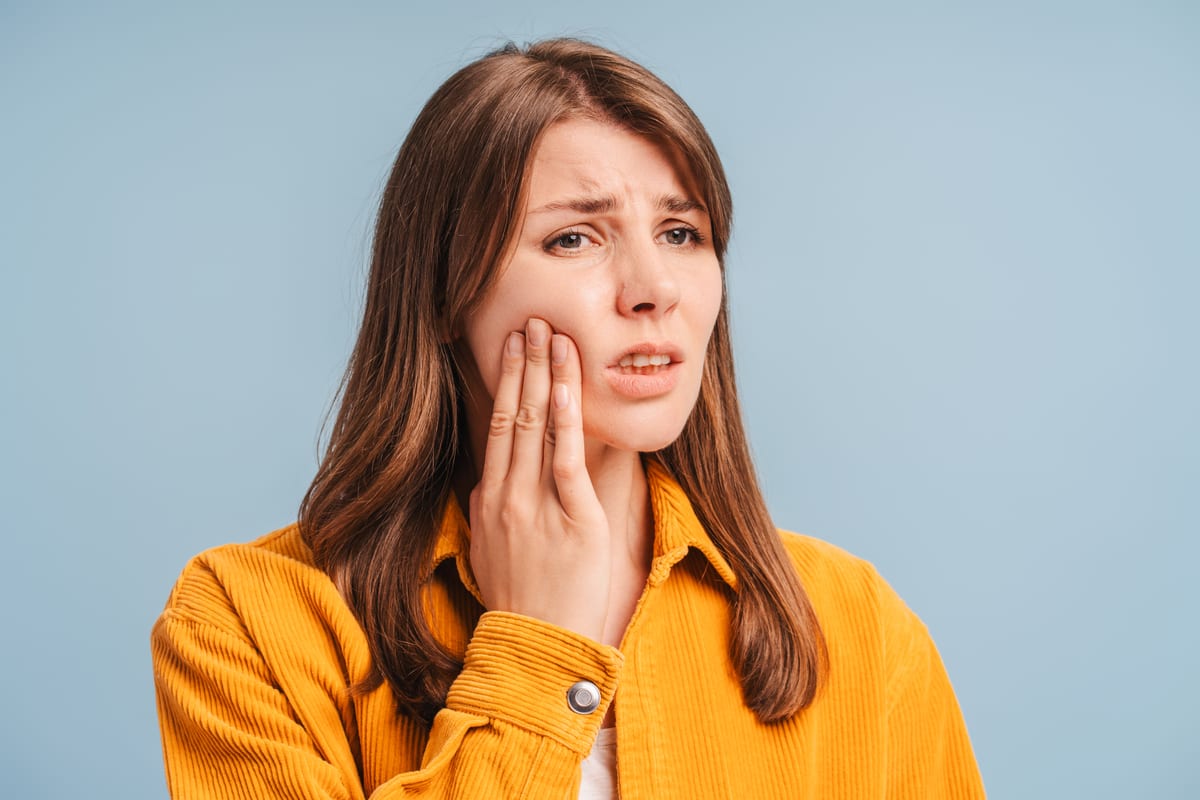


If you live in Utica and keep wondering why your jaw pain keeps coming back, you are not alone. TMJ disorders affect millions of Americans every year. Many patients try pain relievers, ice packs, and rest — only to feel the ache return days later. Understanding the hidden triggers behind TMJ pain is the first step toward lasting relief.
At Diamond Family Dental of Sterling Heights, Dr. Salwan Yousif works with patients from across the region, including Utica, to uncover what is really driving their jaw discomfort. This article breaks down five common but often overlooked causes of recurring TMJ pain.
What Is TMJ and Why Does Jaw Pain Keep Returning?
The temporomandibular joint (TMJ) connects your jawbone to your skull. It controls every chew, yawn, and word you speak. When this joint becomes irritated or inflamed, you may feel pain in your jaw, face, neck, or even your ears.
The reason jaw pain keeps coming back for so many Utica residents is simple: the root cause is never addressed. Most people treat the symptom, not the source. Without identifying your specific triggers, pain relief remains temporary at best.
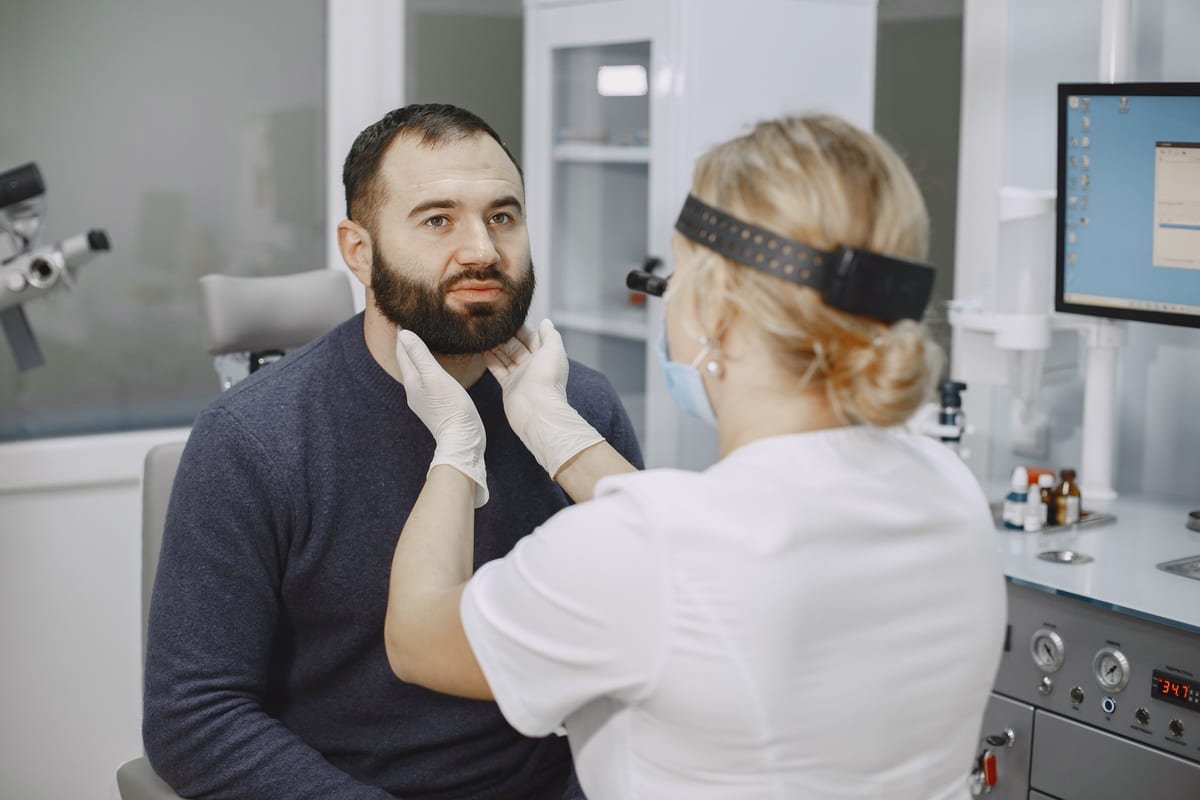
TMJ disorders can stem from multiple overlapping causes. That is why a proper clinical evaluation matters so much. Dr. Yousif takes a comprehensive approach to diagnosing each patient’s unique situation before recommending any treatment.
Hidden TMJ Trigger 1: Bruxism and Nighttime Teeth Grinding
Bruxism — the habit of grinding or clenching your teeth — is one of the most common hidden TMJ triggers for Utica patients. Many people grind their teeth while sleeping without even knowing it. The pressure placed on the jaw joint during grinding can be enormous.
Over time, bruxism wears down tooth enamel and strains the muscles surrounding the TMJ. This creates a cycle of inflammation and pain that returns night after night. You may wake up with a sore jaw, headaches, or even earaches.
- Worn-down tooth surfaces that appear flattened
- Morning headaches or facial soreness
- A partner reporting loud grinding sounds at night
- Increased tooth sensitivity without obvious decay
A custom night guard from Dr. Yousif can protect your teeth and reduce joint stress while you sleep. This simple device often makes a dramatic difference for bruxism-related TMJ pain.
Hidden TMJ Trigger 2: Chronic Stress and Jaw Muscle Tension
Stress is a major but underestimated driver of TMJ disorders. When you are under pressure, your body tenses up — and your jaw is no exception. Many Utica residents unconsciously clench their jaw during stressful workdays or difficult commutes.
This constant tension keeps the muscles around the TMJ in a state of fatigue. Fatigued muscles become inflamed. Inflammation leads to pain. The cycle continues unless stress and its physical effects are addressed together.
Relaxation techniques, physical therapy, and dental appliances can all play a role in breaking this cycle. Dr. Yousif often partners with patients to build a multi-step approach that fits their lifestyle. Stress management is not just good for your mind — it is essential for your jaw health.
Hidden TMJ Trigger 3: Bite Misalignment and Uneven Tooth Contact
When your upper and lower teeth do not come together properly, your jaw compensates. This compensation puts uneven stress on the TMJ. Over time, that stress causes real, recurring pain.
Bite misalignment can develop gradually. Missing teeth, shifting teeth, or even a poorly fitted dental restoration can all change how your bite functions. Many patients do not realize their bite has changed until jaw pain begins.
- Uneven wear patterns on specific teeth
- Clicking or popping sounds when opening the jaw
- Difficulty chewing on one side
- A sense that your bite feels