

TMJ Treatment Utica: Is This Right for You?
If you’ve been experiencing jaw pain, headaches, or difficulty chewing, you might be wondering whether TMJ treatment in Utica is the solution you need. The temporomandibular joint connects your jaw to your skull, and when it doesn’t function properly, it can cause significant discomfort. Not everyone with jaw pain requires intensive treatment, but understanding your symptoms can help you make an informed decision.
At Diamond Family Dental of Sterling Heights, Dr. Salwan Yousif helps patients from Utica and surrounding communities determine whether TMJ treatment is the right path forward. This guide will help you assess your symptoms and understand what options might work best for your situation.
As prom and graduation season approaches and families prepare for summer activities, now is an ideal time to address persistent jaw discomfort. Let’s explore how to determine if TMJ treatment is right for you.
Understanding TMJ Disorders and When TMJ Treatment Utica Becomes Necessary
The temporomandibular joint acts like a sliding hinge on each side of your jaw. TMJ disorders occur when this joint becomes inflamed, injured, or misaligned. These conditions can develop from various causes including teeth grinding, jaw clenching, arthritis, or injury.
Many people experience occasional jaw discomfort that resolves on its own. However, persistent symptoms that interfere with daily activities often indicate a need for professional evaluation. TMJ disorders can range from mild to severe, and treatment approaches vary accordingly.
Some patients experience symptoms that come and go with stress or weather changes. In Utica, the cold, snowy winter months can sometimes exacerbate jaw tension as people unconsciously clench their teeth in response to cold temperatures. Understanding your symptom patterns helps determine whether treatment is necessary.
Not all jaw pain stems from TMJ disorders. Dental infections, sinus issues, or other conditions can cause similar symptoms. A thorough evaluation helps identify the true source of your discomfort.
Signs You May Be a Good Candidate for TMJ Treatment
Certain symptoms and circumstances indicate that TMJ treatment could provide significant relief. If you recognize several of these signs, a professional consultation may be beneficial.
- Persistent jaw pain or tenderness that lasts more than a few weeks
- Difficulty opening your mouth wide or jaw locking in open or closed positions
- Clicking, popping, or grinding sounds when moving your jaw
- Frequent headaches, especially upon waking or during stressful periods
- Ear pain or ringing without an ear infection
- Facial pain or swelling around the jaw area
- Difficulty chewing or sudden uncomfortable bite alignment
- Neck and shoulder pain accompanying jaw discomfort
- Previous jaw injury or trauma that continues causing problems
- Visible wear on teeth from grinding or clenching
Many Utica residents find their symptoms worsen during particularly stressful times. The end of the school year, with prom preparations and graduation ceremonies, can increase stress levels and intensify jaw clenching habits.
If your symptoms interfere with eating, sleeping, or concentrating on daily tasks, TMJ treatment may significantly improve your quality of life. Dr. Salwan Yousif can evaluate your specific situation and recommend appropriate interventions.
You might also be a good candidate if conservative home treatments like warm compresses, soft foods, and stress reduction haven’t provided adequate relief. Professional treatment offers additional options that target the underlying causes of your discomfort.
Signs You May Want to Consider a Different Approach
TMJ treatment isn’t always the first or best option for everyone experiencing jaw discomfort. Recognizing when alternative approaches might be more appropriate helps you avoid unnecessary interventions.
- Your jaw discomfort is very recent and occurred only once or twice
- Symptoms appear only during specific activities and resolve quickly afterward
- Your discomfort is clearly linked to a dental infection or cavity requiring treatment first
- You haven’t tried basic home care measures like jaw rest and soft diet modifications
- Your symptoms are primarily stress-related and might respond better to stress management techniques
- You’re experiencing sinus pressure that could be causing referred jaw pain
- Recent dental work may have temporarily affected your bite alignment
- You have an unrelated medical condition that better explains your symptoms
Sometimes addressing contributing factors resolves TMJ symptoms without specialized treatment. For example, if teeth grinding occurs only during high-stress periods, stress reduction techniques combined with a nightguard might be sufficient.
If your symptoms are mild and intermittent, your dentist might recommend monitoring your condition before pursuing active treatment. Many cases improve with simple lifestyle modifications and home care strategies.
Patients who have other dental issues requiring attention may need to address those concerns first. A comprehensive dental evaluation helps prioritize treatment needs appropriately.
What to Expect During Your TMJ Treatment Utica Consultation
A professional consultation provides clarity about whether TMJ treatment is right for you. Dr. Salwan Yousif conducts a thorough evaluation to understand your unique situation and recommend the most effective approach.
Your consultation begins with a detailed discussion of your symptoms, including when they started, what makes them better or worse, and how they affect your daily life. This conversation helps identify patterns and potential triggers.
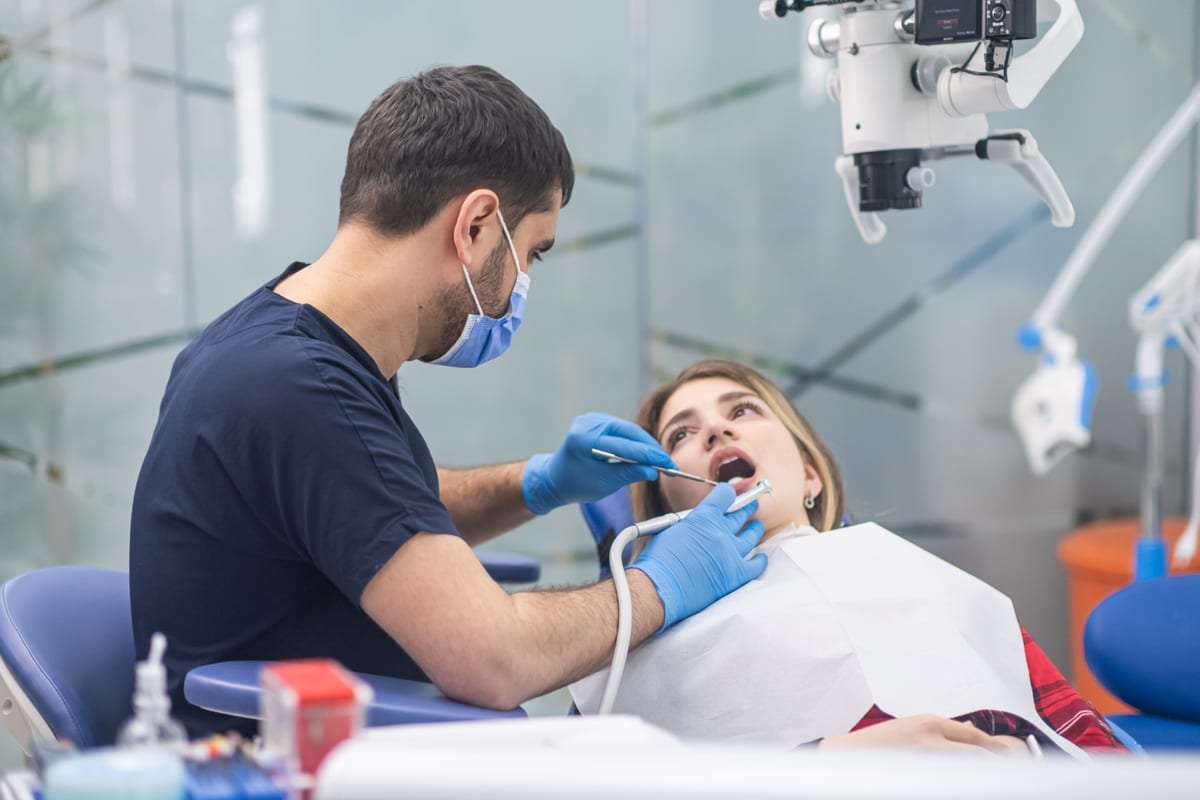
The physical examination includes assessing your jaw movement, listening for joint sounds, and checking for tenderness or swelling. Dr. Yousif examines your bite alignment and looks for signs of teeth grinding or clenching.
Diagnostic imaging may be recommended to visualize the joint structure and identify any abnormalities. X-rays or other imaging techniques provide valuable information about the condition of your temporomandibular joint.
Based on these findings, Dr. Yousif discusses whether TMJ treatment would benefit you and what options are available. Treatment plans are customized to address your specific needs and symptoms.
The consultation also covers preventive strategies to avoid worsening your condition. Understanding proper jaw positioning, stress management, and dietary modifications helps support your treatment outcomes.
Treatment Options and Finding the Right Fit
TMJ treatment encompasses various approaches, from conservative methods to more advanced interventions. The right treatment depends on the severity of your condition and the underlying causes.
Conservative treatments often serve as the first line of intervention. These include oral appliances like nightguards to prevent grinding, physical therapy exercises to strengthen jaw muscles, and medication to reduce inflammation.
Lifestyle modifications play an important role in managing TMJ disorders. Avoiding hard or chewy foods, practicing relaxation techniques, and maintaining good posture can significantly reduce symptoms.
For more severe cases, additional interventions might be necessary. These could include injections to reduce muscle tension, orthodontic treatment to correct bite alignment, or referral to specialists for advanced care.
Many patients in Utica, Sterling Heights, Troy, and Clawson find relief through a combination of approaches. A multifaceted treatment plan addresses both immediate symptoms and long-term joint health.
The goal is always to use the least invasive effective treatment. Dr. Yousif works with you to find an approach that fits your lifestyle and provides meaningful relief.
Making Your Decision: Next Steps for Utica Residents
Deciding whether to pursue TMJ treatment starts with recognizing your symptoms and understanding your options. If jaw pain is affecting your quality of life, a professional evaluation provides the clarity you need.
Consider tracking your symptoms for a week or two before your consultation. Note when pain occurs, what activities trigger discomfort, and what provides relief. This information helps your dentist understand your condition more completely.
Don’t wait until symptoms become severe. Early intervention often prevents complications and leads to faster resolution. As Mother’s Day approaches, scheduling a consultation could be a meaningful gift to yourself or a loved one experiencing jaw discomfort.
Remember that TMJ treatment is highly individualized. What works for one person may not be the best approach for another. A thorough evaluation ensures you receive recommendations tailored to your specific needs.
If you’re ready to explore whether TMJ treatment in Utica is right for you, reaching out to our team is the first step. We’re here to help you understand your options and find relief from jaw pain. Contact our office to schedule your comprehensive evaluation. Learn More about how we can help you.
Frequently Asked Questions
How long does it take to see results from TMJ treatment?
Results vary depending on the severity of your condition and the treatment approach used. Some patients experience relief within a few days of wearing a nightguard or making lifestyle changes, while others may need several weeks of consistent treatment. More complex cases requiring orthodontic intervention or physical therapy may take several months to show significant improvement. Dr. Yousif will discuss realistic timelines during your consultation based on your specific situation.
Can TMJ disorders go away on their own without treatment?
Some mild TMJ symptoms do resolve on their own, especially if they’re caused by temporary stress or minor injury. However, persistent or worsening symptoms typically require intervention to prevent long-term joint damage. If your discomfort lasts more than a few weeks or significantly impacts your daily activities, professional evaluation is recommended. Early treatment often prevents complications and leads to better outcomes than waiting for symptoms to worsen.
What should I avoid eating if I have TMJ symptoms?
Avoid hard, crunchy, or chewy foods that require excessive jaw movement or force. This includes items like hard candy, nuts, bagels, tough meats, and chewy candies. Sticky foods like caramel or gum can also strain the jaw joint. Instead, choose softer options like yogurt, smoothies, cooked vegetables, fish, and pasta. Cutting food into smaller pieces reduces the need to open your mouth wide, which can help minimize discomfort.
Is TMJ treatment painful?
Most TMJ treatments are not painful and actually help reduce your existing pain. Conservative approaches like wearing a nightguard, doing gentle exercises, and making dietary changes involve no pain. Some treatments like physical therapy may cause mild temporary soreness as muscles adjust, similar to starting a new exercise routine. More advanced interventions are performed with appropriate anesthesia to ensure your comfort. The goal of treatment is always to reduce pain, not create it.
Will I need surgery for my TMJ disorder?
The vast majority of TMJ cases respond well to conservative, non-surgical treatments. Surgery is typically considered only for severe cases that don’t improve with other approaches or when there’s significant structural damage to the joint. Dr. Yousif begins with the least invasive effective treatments and only recommends more advanced interventions if necessary. Most patients find substantial relief through oral appliances, physical therapy, lifestyle modifications, and stress management techniques.