

Dental Implants: A Complete Patient Guide
Dental implants are one of the most effective long-term solutions for missing teeth. They look, feel, and function like natural teeth. More patients are choosing implants over older tooth-replacement options every year. At Diamond Family Dental of Sterling Heights, our dental team wants you to have the knowledge you need before making any treatment decision.
What Are Dental Implants?
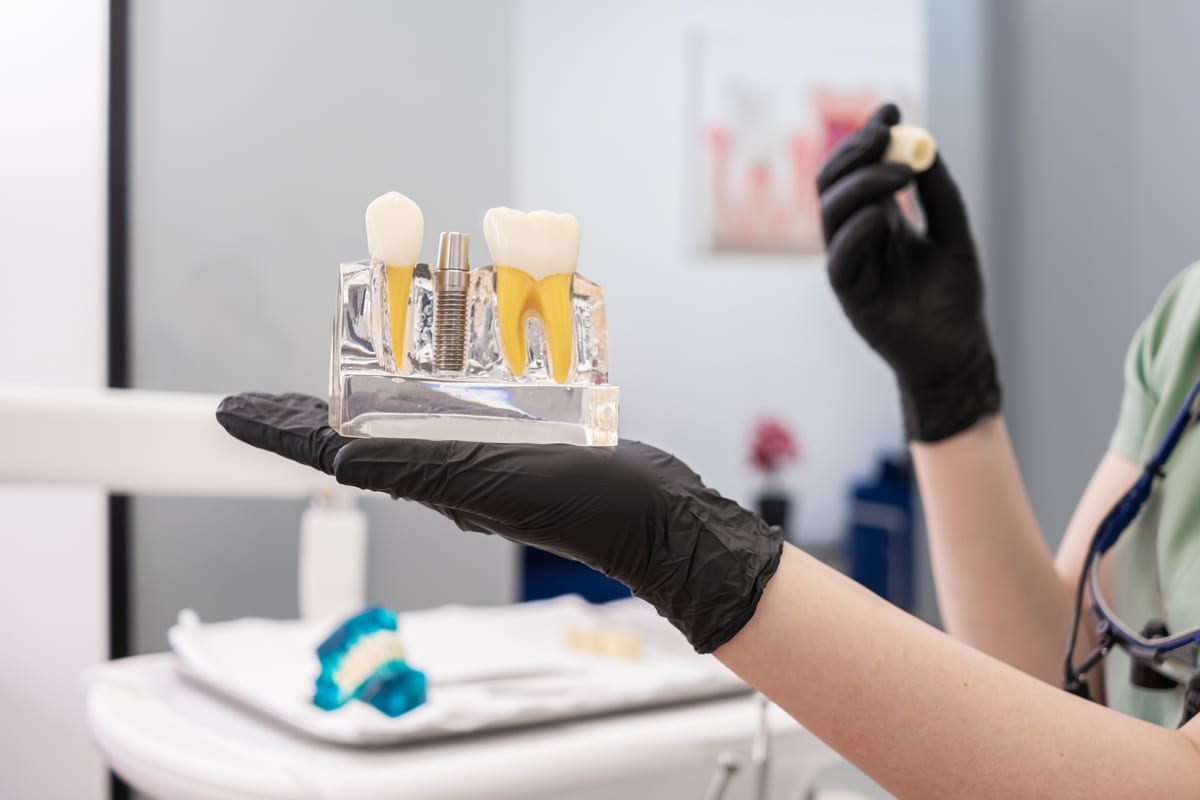
A dental implant is a small titanium post placed into the jawbone. It acts as an artificial tooth root. Over time, the bone fuses with the post in a process called osseointegration. This creates a strong, stable foundation for a replacement tooth called a crown.
The final restoration looks just like a natural tooth. Most people cannot tell the difference between an implant and a real tooth. Implants do not shift or slip like removable dentures. They also help preserve the jawbone, which can shrink after tooth loss.
Who Is a Good Candidate for Dental Implants?
Not everyone qualifies for dental implants right away. Candidates need enough healthy jawbone to support the implant post. Good overall oral health is also important. Gum disease must be treated before any implant procedure begins.
Age matters too. Adults whose jaws have fully developed are typically good candidates. Teenagers usually need to wait until growth is complete. Certain health conditions may affect healing, so a full medical history review is part of the evaluation process. Our dental team will assess your unique situation carefully.
The Dental Implant Procedure Step by Step
Understanding each step helps reduce anxiety about the process. The journey begins with a consultation and imaging. Your dental team will take X-rays or a 3D scan of your jaw. This helps plan the exact placement of the implant post.
The implant post is placed during a minor surgical procedure. Local anesthesia keeps you comfortable throughout. A healing period of several months follows. During this time, the bone integrates with the titanium post. Once healing is confirmed, an abutment and custom crown are attached. The entire process can take several months from start to finish.
Recovery after placement is manageable for most patients. Mild swelling and soreness are common in the first few days. Over-the-counter pain relievers usually provide enough relief. Most patients return to normal activities within a day or two after the procedure.
How Dental Implants Compare to Other Options
Dental bridges are a common alternative to implants. A bridge relies on neighboring teeth for support. Those teeth must be filed down to hold the bridge in place. This permanently alters healthy tooth structure, which is a drawback worth considering.
Removable dentures are another option for replacing multiple missing teeth. They are less expensive upfront but come with daily maintenance. Dentures can shift while eating or speaking, which some patients find uncomfortable. Implants eliminate that instability entirely and feel more like natural teeth. Explore all of our tooth replacement services to compare your full range of options.
Caring for Your Dental Implants
One major benefit of implants is how easy they are to care for. You brush and floss them just like natural teeth. No special soaking solutions or adhesives are needed. Good daily hygiene habits are all that is required to keep them clean.
Regular dental checkups remain important even after implant placement. Professional cleanings remove buildup that brushing alone cannot reach. Your dental team will also monitor the implant and surrounding tissue over time. Catching any early issues quickly helps protect your investment and your oral health. Schedule your routine visit with our team today.
How Long Do Dental Implants Last?
With proper care, dental implants can last a lifetime. The titanium post itself is highly durable and resistant to decay. The crown on top may need replacement after 10 to 15 years depending on wear. Biting habits, oral hygiene, and overall health all influence longevity.
Studies show that implants have a success rate above 95 percent over ten years. That makes them one of the most reliable restorative options in modern dentistry. Patients who avoid smoking and maintain regular dental visits tend to see the best outcomes. Investing in good habits from the start protects your results long term. Learn more about our team and our approach to long-term dental care.
Conclusion
Dental implants offer a durable, natural-looking solution for missing teeth. They preserve jawbone, restore function, and boost confidence. The process takes time, but the results are designed to last a lifetime. Understanding how implants work helps you have a more informed conversation with your dental team.
At Diamond Family Dental of Sterling Heights, our dental team is committed to patient education at every step. We believe informed patients make better decisions about their oral health. If you are considering implants, we encourage you to ask questions and take the time you need. Your smile deserves thoughtful, expert care.
Frequently Asked Questions
Are dental implants painful to get?
Most patients report that the procedure is less uncomfortable than they expected. Local anesthesia is used during placement, so you should feel little to no pain during the surgery. Mild soreness and swelling are normal in the days following the procedure. These symptoms typically resolve within a week.
How long does the entire dental implant process take?
The timeline varies by patient, but the full process usually takes between three and nine months. This includes the healing period after the post is placed and before the crown is attached. Some patients may need bone grafting first, which can extend the timeline. Your dental team will give you a personalized estimate after your evaluation.
Can dental implants fail?
Implant failure is uncommon but can occur. The most frequent causes include infection, insufficient bone density, or poor healing. Smoking significantly increases the risk of failure. Following your dental team’s aftercare instructions closely helps minimize any risk of complications.
Is bone grafting always required before dental implants?
Not every patient needs a bone graft. A graft is only necessary when the jawbone does not have enough density or volume to support an implant. Your dental team will evaluate your bone health through imaging before recommending this additional step. Many patients proceed directly to implant placement without needing a graft.
Can I get dental implants if I have gum disease?
Active gum disease must be treated and resolved before implant placement can begin. Gum disease creates an unstable environment that increases the risk of implant failure. Once your gums are healthy, your dental team can reassess your candidacy. Treating gum disease first is an important step toward a successful implant outcome.